
Nobody wakes up one morning with a cataract. They build slowly, over years, and your brain is remarkably good at adjusting along the way. You turn on an extra lamp. You hand the car keys to your spouse after sunset. You stop noticing that white walls look a little yellow now. Then something forces the issue, usually a failed DMV vision test or a near miss on the freeway, and you finally ask what's going on.
What's going on, in most cases, is age. The natural lens inside your eye is made mostly of protein and water, and as the decades pass those proteins start to clump and cloud. That clouding is a cataract. By age 80, about half of Americans either have one or have already had it removed. It isn't a growth, it isn't a film on the eye, and despite what your grandmother may have told you, it doesn't have to "ripen" before anything can be done.
So how do you know when a developing cataract has crossed the line from annoyance to something worth treating? After decades of seeing cataract patients here in San Diego, these are the seven signs we hear about most.
For a lot of our patients this is the first real red flag. Oncoming headlights flare into starbursts. Streetlights grow halos. The drive home from a dinner out, a drive you've done a thousand times, suddenly feels risky. A clouding lens scatters light rather than focusing it, and darkness makes the scatter obvious. If you've quietly started arranging your life so you never have to drive after dark, pay attention to that.
Like a fogged window, or a camera lens someone touched with a greasy thumb. People blink, rub their eyes, clean their glasses twice. Nothing helps, because the haze isn't on the surface of the eye. It's inside the lens itself, and no amount of wiping will reach it.
A cataract works like a yellowish brown filter sitting in your line of sight. Blues go muddy. Whites drift toward cream. The change is so gradual that most people have no idea it's happening. Ask anyone who's had cataract surgery what surprised them most and they'll usually mention color. The sky afterward looks almost unreasonably blue.
This one matters in San Diego, where the sun is a daily fact of life. Light bouncing off the water, off white stucco, off the hood of the car in front of you. When a cataract scatters that light inside the eye, ordinary brightness can become squint inducing or even painful. Wearing sunglasses indoors is not a personality quirk. It's a symptom.
First a brighter bulb. Then the lamp pulled right up to your shoulder. Then a magnifier for the pill bottle. A cloudy lens simply lets less light through to the retina, so your eyes demand more of it for the same task. If your reading setup keeps escalating, the problem probably isn't the print.
Some people bounce back to the optometrist every year, or every six months, chasing a prescription that keeps shifting. A hardening, clouding lens changes the way the eye focuses, and glasses can only paper over that for so long. Oddly, some patients get a brief window where their near vision improves and they can read without glasses again. Doctors call it second sight. Enjoy it, but know it doesn't last.
Cover one eye. If the remaining eye still shows you two of everything, or a ghosted second image, a cataract may be splitting light as it enters. Double vision has other possible causes too, some serious, so this particular symptom should always earn a prompt and thorough eye exam.
The answer ophthalmologists give is less technical than people expect. It's time when the cataract is getting between you and the life you want to live. There is no fixed number on an eye chart, no mandatory age.
That said, waiting indefinitely has costs. Very mature cataracts grow dense and hard, which can make surgery longer and more complicated. And impaired vision carries risks of its own. Research has connected cataract surgery with lower rates of car accidents and hip fractures in older adults, which makes sense once you think about it. Seeing the curb matters.
Cataract surgery is among the most common and most successful operations performed anywhere in medicine. Your surgeon removes the cloudy lens and replaces it with a clear artificial one, called an intraocular lens or IOL. The procedure is outpatient, takes minutes per eye, and most people notice a real difference within days.
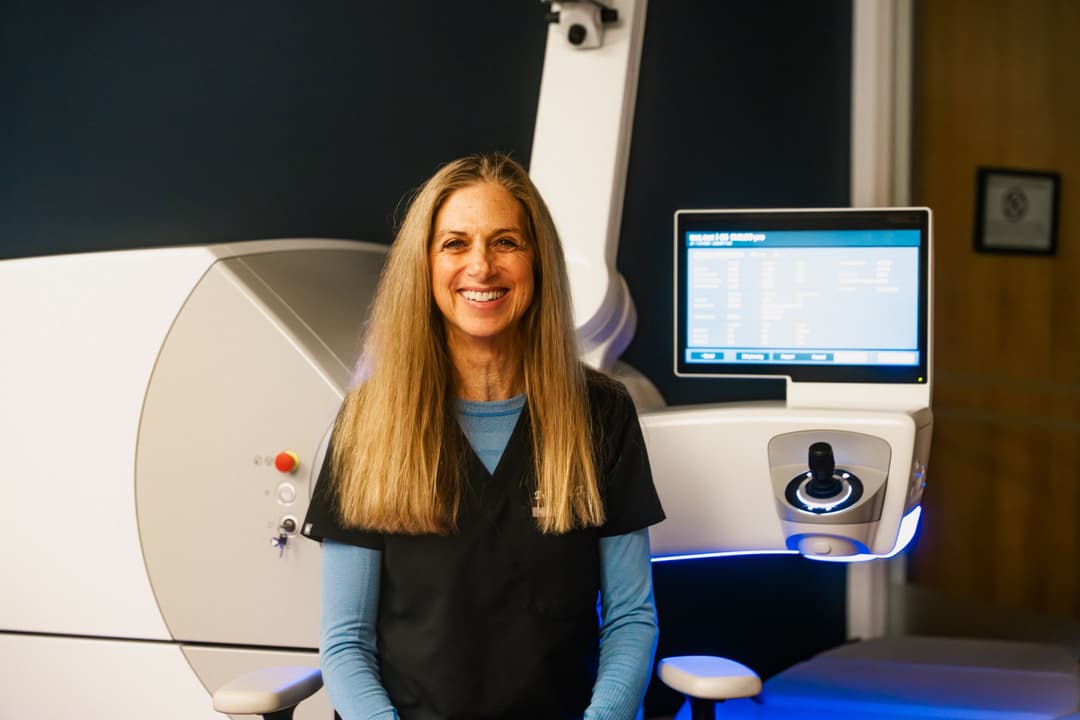
At ClearView Eye and Laser Medical Center, Dr. Sandy T. Feldman was the first surgeon in San Diego to offer the FDA approved CATALYS Precision Laser System, which maps your eye in 3D and performs key steps of the procedure with computer guided accuracy. Just as important is the lens that goes in. ClearView offers the current generation of advanced IOLs, including the Light Adjustable Lens and the TECNIS PureSee, so the result can be matched to how you actually live. We cover the lens decision in detail in a companion post.
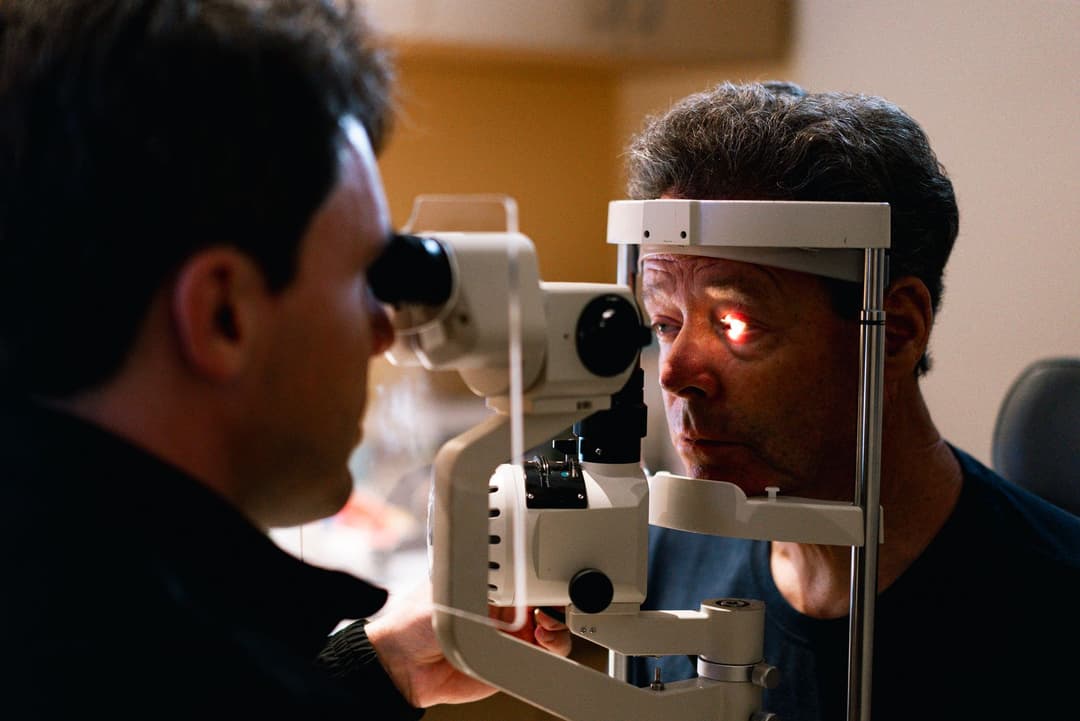
If two or more of these signs sound like your daily life, get examined. A comprehensive eye exam will confirm whether cataracts are the cause, how far along they are, and what your options look like. Knowing changes nothing for the worse and might change a great deal for the better.
This article is for informational purposes only and is not a substitute for professional medical advice, diagnosis, or treatment. Always consult your ophthalmologist about your individual situation.