
Having keratoconus is a life that involves getting used to a new perspective of the world and with the right information and support, you can still preserve your vision and be active in whatever you enjoy doing. This guide is based on everyday, practical strategies that you can begin to use immediately.
Keratoconus is a progressive and long term disorder in which the transparent front window of the eye known as the cornea becomes thin and protrudes forward into a cone like shape rather than a smooth dome. This distorted form distorts the light as it enters the eye causing distorted and blurred vision.
It is frightening or intimidating to hear this diagnosis the first time. The patients fear that they will not be able to drive, work, or have hobbies in the future. One should understand that there are numerous methods to preserve your vision, delay or prevent its development, and cope with the symptoms in everyday life. We treat patients with keratoconus on a daily basis at Clearview Eye and Laser Medical Center and you do not need to go through this alone.
This article will briefly discuss treatment options, but the primary emphasis will be on practical coping strategies that you can employ in your day to day life.
Eye rubbing is probably the habit that nearly every specialist in the field of keratoconus is discussing. Eye rubbing may exert stress and friction on an already thin and weak cornea. With time, such repeated pressure may cause the cornea to become weaker and cone shaped.
It is not easy to quit the rubbing habit, particularly when you have been doing it over the years. Nevertheless, it is among the most effective self-care measures that you can take to assist in safeguarding your corneas.
Keratoconus is not a one size fits all condition. The kind of vision correction that suits you best will be determined by the level of the development of your corneal changes and the stability of the situation.
Early stage: There are individuals with extremely early keratoconus who can still have a good vision using glasses or soft contact lenses. They can correct mild astigmatism and nearsightedness.
Moderate to advanced stages: With the cornea becoming increasingly irregular, glasses and soft lenses are not always able to give a clear vision. Specialty contact lenses may be used at this stage to provide a new smooth optical surface. These may include:
Scleral lenses especially have the potential to give a lot of people with keratoconus great clarity and comfort, since they both flatten the irregular corneal surface and cushion it simultaneously.
Since the eye is already more sensitive in the case of keratoconus, good care of the contact lens is extremely important:
Other patients can also undergo corneal cross linking in which special eye drops and ultraviolet light are used to reinforce the collagen fibers in the cornea. The aim is to delay or prevent progression in order to have your corneal shape as stable as possible. The decision to cross link or not lies in your age, the thickness of your corneal and the fact that your keratoconus is still progressing hence this is a critical discussion you need to have with your corneal specialist.
Small daily habits can make a big difference in how comfortable your eyes feel and how easily you manage your symptoms.
Bright sunlight can increase glare and discomfort, and long term UV exposure is not healthy for the eyes in general. Helpful steps include:
These habits can reduce light sensitivity and make it more comfortable to spend time outside.
Keratoconus and specialty lenses can both increase dryness and irritation for some people. Consider:
Strain often comes from how we use our eyes, not just from the eyes themselves:
Your overall health influences how well you cope with a chronic eye condition:
These habits will not cure keratoconus, but they can make your day to day experience much more manageable.
Specific situations can feel particularly challenging with keratoconus. Planning ahead and adapting your environment can significantly reduce frustration.
Many people with keratoconus notice that oncoming headlights, wet roads, and low contrast make night driving stressful.
Adapting your environment to your vision is not “cheating.” It is simply working with your eyes instead of fighting against them.
Keratoconus affects more than just your eyesight. It can influence how confident you feel, how independent you think you can be, and how you see your future.
These reactions are human and understandable.
You are not “overreacting” if keratoconus feels like a big deal. Your feelings are valid, and support is available.
Because keratoconus is a disorder that often progresses, it is very important for patients to schedule and attend regular follow, up appointments as part of a thorough eye care plan to ensure their vision is not compromised.
Most patients have their appointments every 6 to 12 months but those with progressive disease or those who have recently been treated may see the doctor more frequently. The exact plan should be individualized, so heed your doctors advice and keep appointments even when you think your vision is about the same.
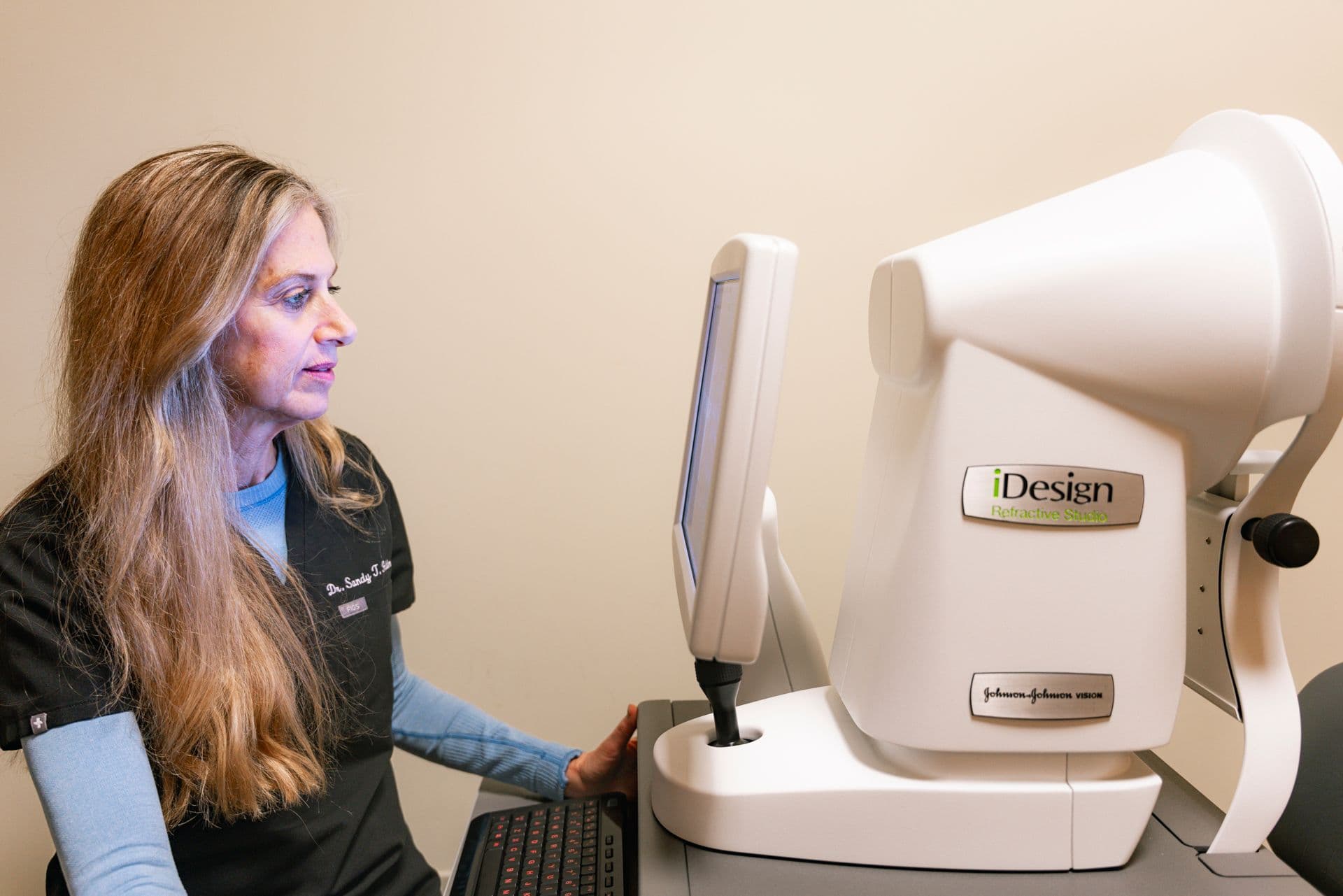
At Clearview Eye and Laser Medical Center, keratoconus care starts with a detailed understanding of your eyes and your life. Our corneal specialists use advanced corneal imaging and topography to diagnose and stage keratoconus accurately, then build a personalized plan around your needs.
Just as important, we focus on your day to day quality of life, not only on test results. That means helping you with practical modifications for work, school, driving, and hobbies so you can stay engaged in the activities that matter to you.
Keratoconus is a condition that will last for a lifetime, so it is normal for you to have days where you feel well and days where you have more difficulty. When medical care, personal choices, and emotional support are all there in the right measure, a lot of people manage to lead active, satisfying lives and have a useful vision for many years.
If you have been told by a doctor that you have keratoconus or you have experienced an increase in blurry, double, or glaring images to the point that you suspect that there may be a problem with your corneas, then we strongly suggest that you make an appointment for a thorough eye exam at Clearview Eye and Laser Medical Center. With your input, we will design a plan especially for you which will aim to preserve your vision and will help you live well with keratoconus.