Patients preparing for cataract surgery tend to worry about the wrong thing. The surgery itself is quick, comfortable, and has one of the best track records in modern medicine. The part that actually deserves your attention is a decision most people have never heard of until the consultation: which lens goes in.
During the procedure, your cloudy natural lens comes out and an artificial lens, called an intraocular lens or IOL, goes in. That lens stays with you for the rest of your life. Whether you'll read a menu without glasses at 75, whether headlights bother you on the 5 at night, whether you can follow a golf ball off the tee. All of that traces back to a choice made before surgery, and there is no single right answer. There's only the right answer for you.
Here is the conversation we have with patients at ClearView, minus the brochures.
Cataract surgery is the one moment in your life when a surgeon can replace the lens of your eye. Handled thoughtfully, the procedure does more than remove a cataract. It can also correct the nearsightedness, farsightedness, astigmatism, or reading vision problems you've carried for decades. Plenty of patients walk out seeing better than they have since their twenties. So treat the lens decision as an opportunity, not paperwork.
A monofocal IOL focuses at exactly one distance, usually far, and does that one job very well. Sharp vision, strong contrast, and the lowest rate of nighttime glare or halos of any lens category. It's also the option insurance and Medicare typically cover.
The catch is right there in the name. One focus. Most monofocal patients keep reading glasses around for close work, and sometimes for the computer as well. If readers have never bothered you, this remains a perfectly good choice, and an honest surgeon will tell you so.
Astigmatism means your cornea is shaped more like a football than a basketball, which smears focus at every distance. A standard lens can't correct it. A toric lens can. It carries corrective power built in at a specific axis, and your surgeon aligns it precisely during the procedure.
If your measurements show meaningful corneal astigmatism, think of toric correction less as an upgrade and more as a prerequisite for sharp uncorrected vision. The good news: toric versions exist across nearly every category on this page, so astigmatism doesn't close any doors.
Multifocal IOLs use concentric optical rings to split incoming light into several focal points at once. Near, middle, far. Your brain learns to grab the right image without you thinking about it, and after an adjustment period many multifocal patients live essentially glasses free. Phone, laptop, road, all covered.
Splitting light has a cost, though. Multifocals produce more halos and glare around lights at night than any other design, plus some loss of contrast in dim settings. These effects tend to fade over weeks or months as the brain adapts, but they don't always vanish. Heavy night drivers, and patients with certain retinal or corneal conditions, are usually steered elsewhere. Reasonably so.
EDOF lenses solve the problem differently. Instead of splitting light into separate points, they stretch one point of focus into a continuous range, giving you smooth vision from far through arm's length, with usable near vision for many people.
The newest designs in this category are worth knowing about. The TECNIS PureSee, which ClearView was among the first practices in San Diego to offer, is built with a purely refractive continuous power surface. No diffractive rings at all. In everyday terms, night vision stays clean and contrast stays high, close to what a basic monofocal delivers, while the range of focus is far wider. Most PureSee patients get through the day without glasses and keep a pair of readers in a drawer for fine print in bad light. For anyone who wants more range than a monofocal but is nervous about multifocal side effects, this middle ground has become very popular, and for good reason.
Every option above requires committing to a target beforehand, based on measurements and prediction formulas. Good formulas, but still predictions. The Light Adjustable Lens turns the sequence around.
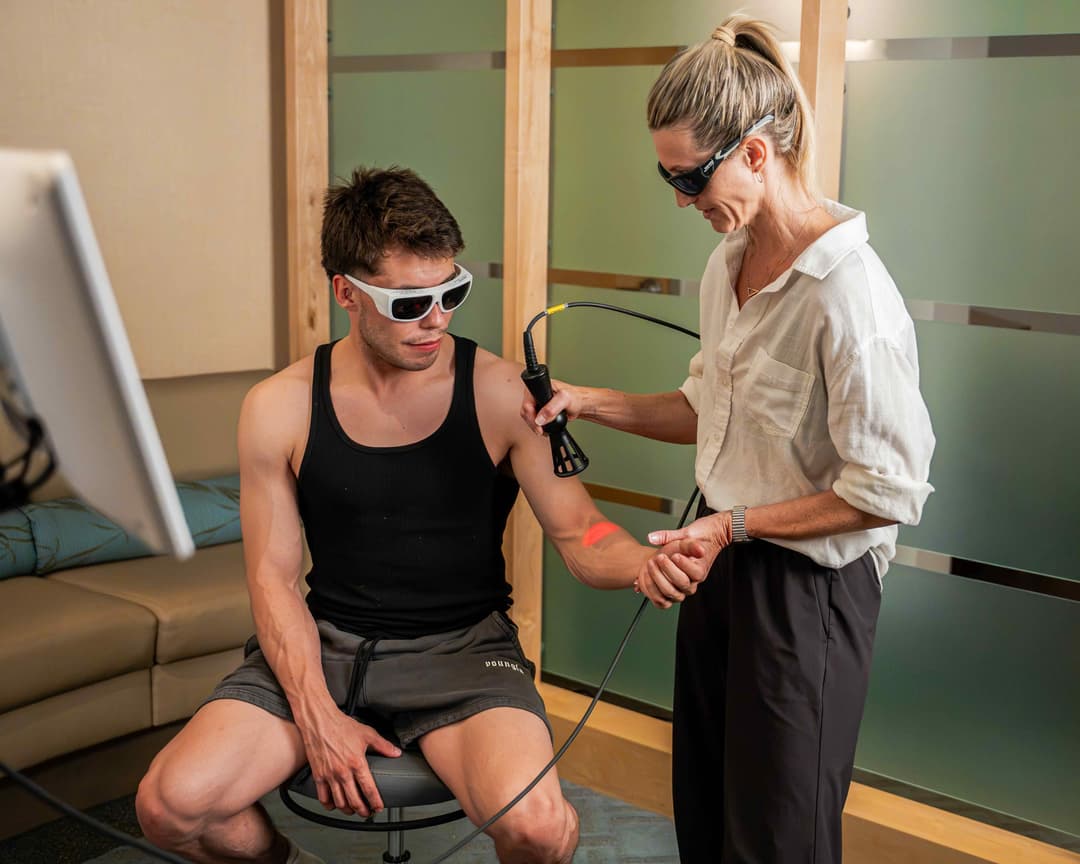
The LAL is made from a photosensitive material that can be reshaped after it's already in your eye. Once you've healed, you live with your actual vision for a while, then come back for a short series of painless UV light treatments that fine tune the prescription. Sharper distance, a bit more near, a custom blend between the two eyes, whatever the real world testing tells you that you want. A final treatment locks everything in for good. You'll wear special UV protective glasses during the adjustment window, and the process adds a few office visits. In exchange you get the most precise outcome available today. It's an especially strong fit for patients with prior LASIK, whose eyes are notoriously tricky to measure. ClearView offers the LAL right here in San Diego.
Set the marketing aside and answer three questions.
How do you honestly feel about glasses? If readers don't bother you, a monofocal (toric if needed) is simple and proven. If the whole point is independence from glasses, look hard at EDOF, multifocal, or the LAL.
How much night driving do you do? Frequent night drivers should favor the low halo designs: monofocal, a PureSee style EDOF, or the LAL.
What fills your days? Screens all day argue for strong intermediate vision. Reading and detail work argue for stronger near solutions. Golf, sailing, and trail time put a premium on crisp distance and contrast.
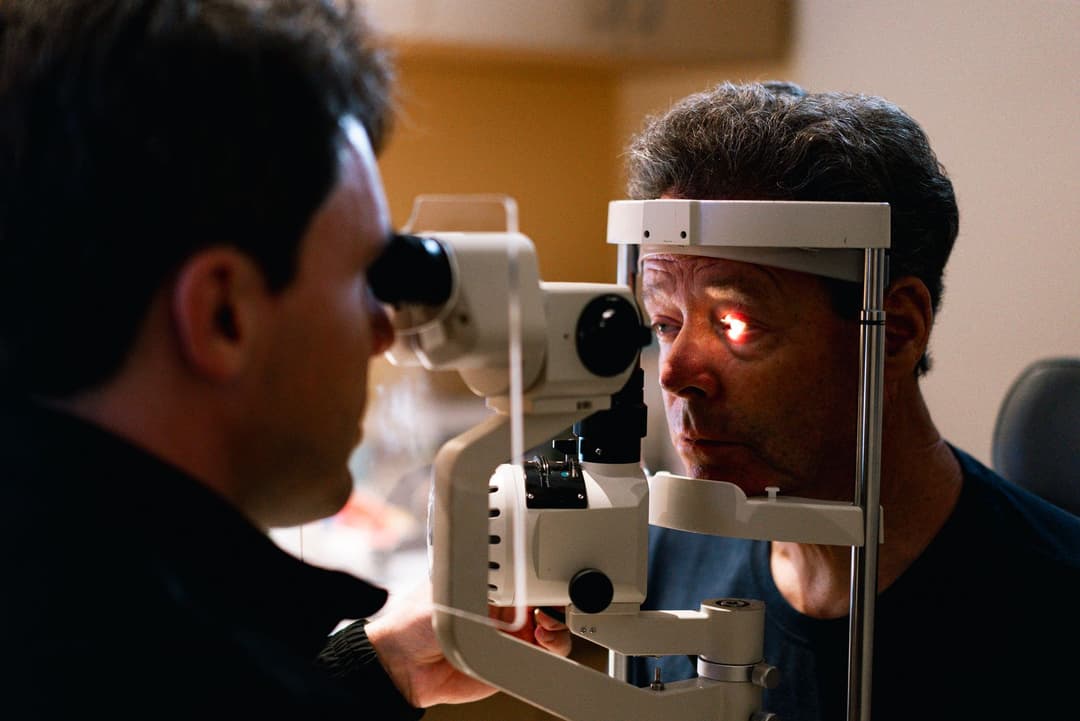
Then let your eyes have their say. Corneal shape, astigmatism, retinal health, dry eye, and any history of refractive surgery all narrow the field. That's why lens selection at ClearView begins with comprehensive diagnostic imaging and an unhurried conversation with Dr. Sandy T. Feldman or Dr. Michael Mathison about how you actually spend your time. The best lens is not the most expensive one on the menu. It's the one that fits your eyes and your life.
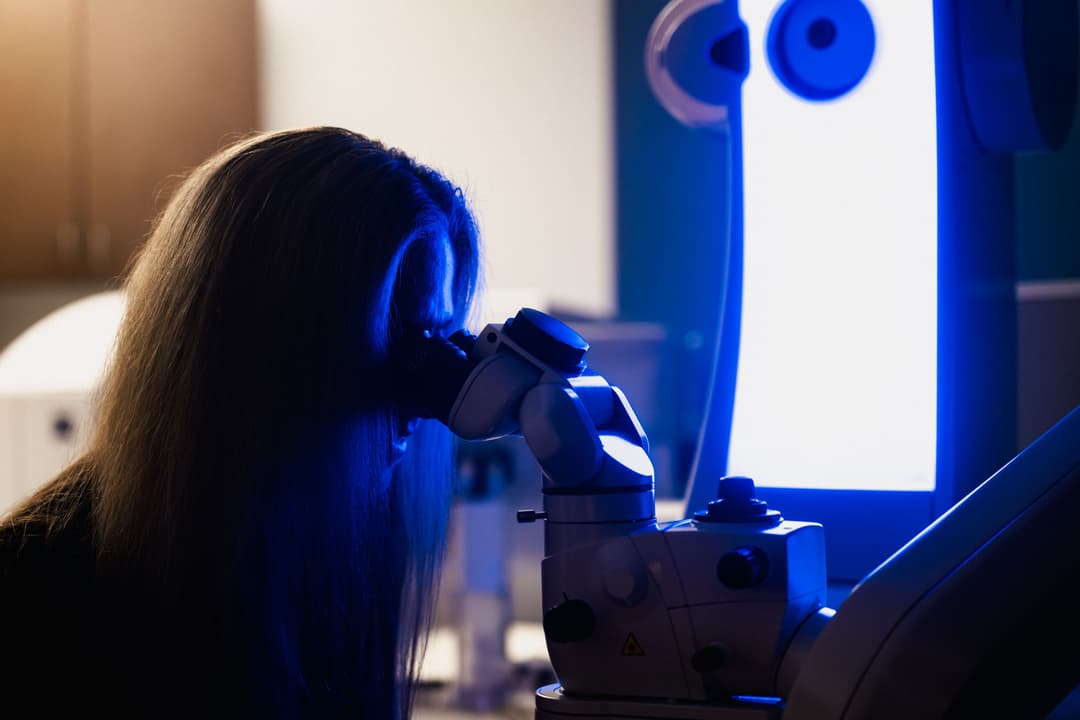
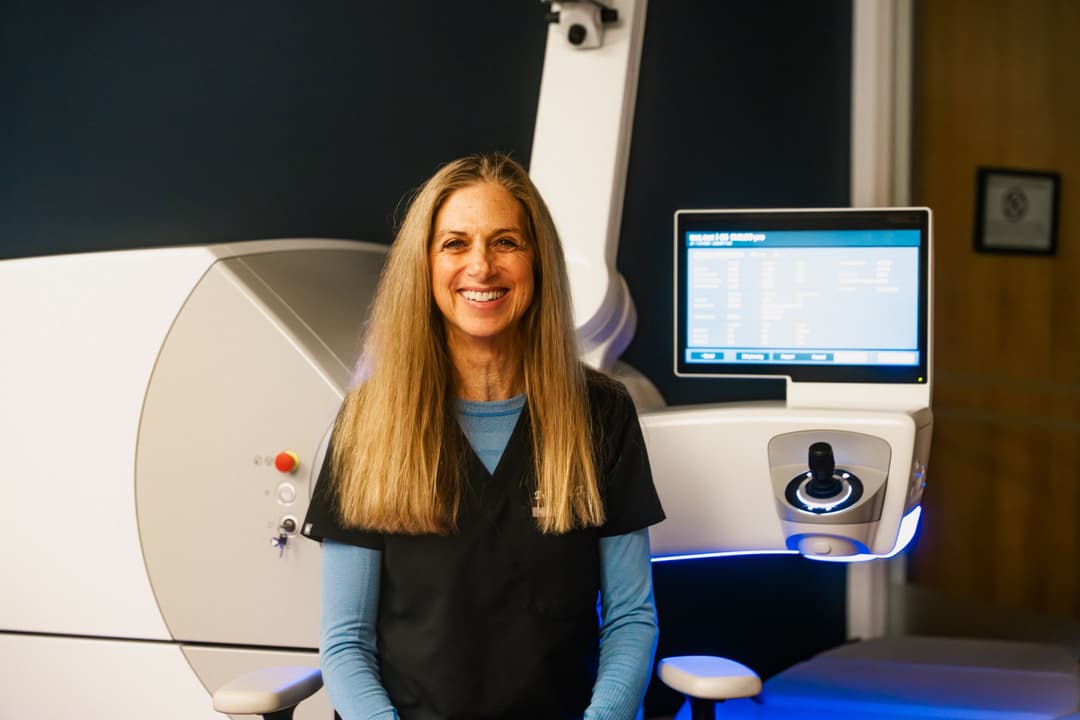
ClearView pairs the CATALYS Precision Laser System with one of the widest ranges of advanced lens options in San Diego. If cataracts are starting to cloud your view, or you simply want to understand your choices before they do, come talk it through.
This article is for informational purposes only and is not a substitute for professional medical advice, diagnosis, or treatment. Lens candidacy varies by individual, and your surgeon will recommend options based on a comprehensive examination. Premium lens options may involve out of pocket costs not covered by insurance.