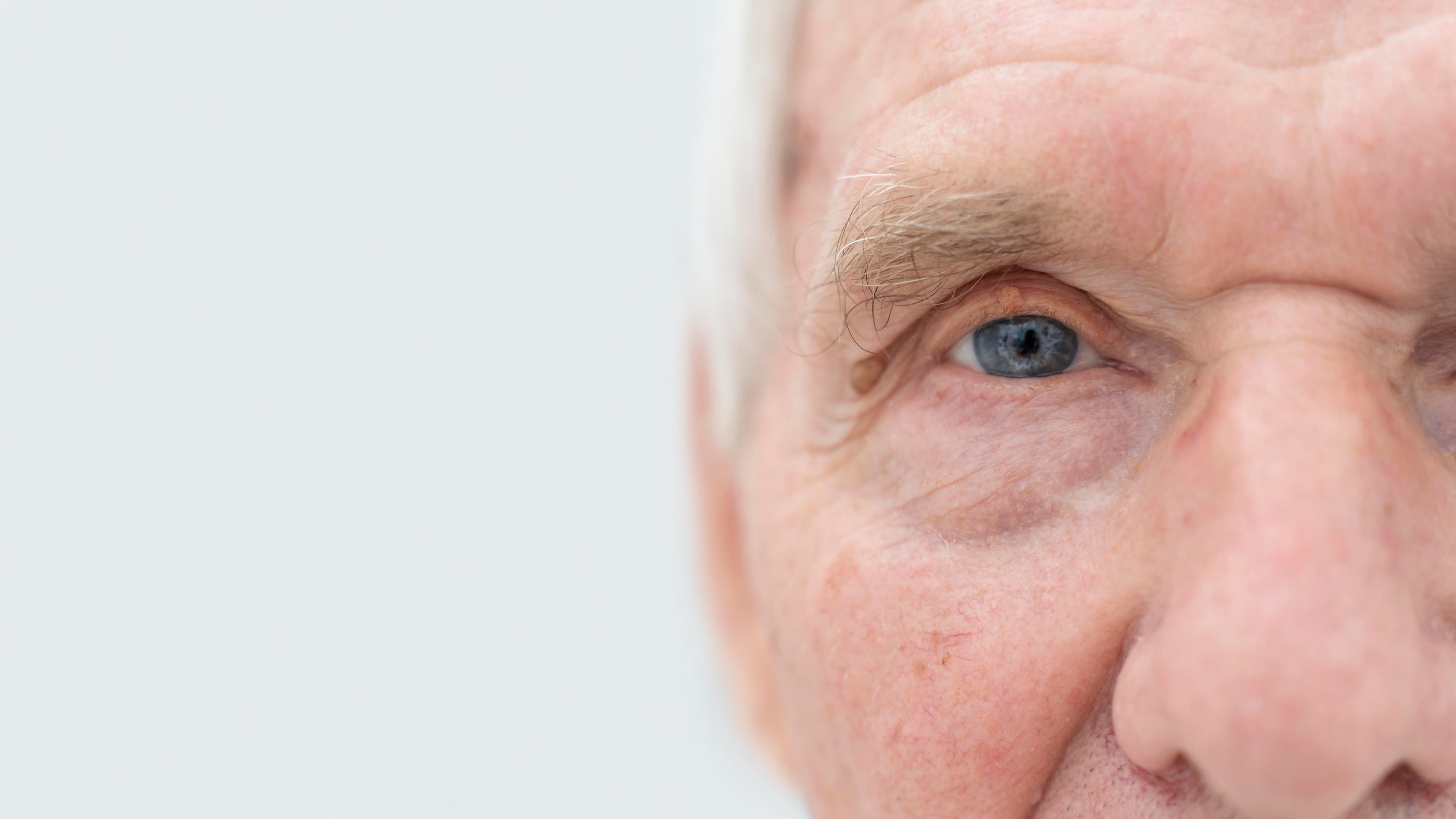

Age-Related Macular Degeneration (AMD) is a progressive eye disorder that mostly affects the macula, which is the central area of the retina that provides sharp and detailed vision. The elderly population is also at high risk of developing this condition as they age, and this makes it a major issue of concern to them. This blog will discuss the definition of macular degeneration, its causes, age-related macular degeneration, its symptoms, and the risk factors for macular degeneration. We shall also address the need to consult with the best ophthalmologist in San Diego to detect and manage it at an early stage.
Macular degeneration is a broad term used to refer to a collection of eye diseases that cause degeneration of the macula, which causes blurred or poor central vision. Although there may be cases of macular degeneration at any age, age-related macular degeneration is the most prevalent type of the disease and is common in people above the age of 50.
Dry AMD: This is the most widespread type, which is defined by the progressive degeneration of the macula. It is usually slow in progression and might not result in serious vision impairment at an early stage.
Wet AMD: This is a less frequent but more serious type that is characterized by the development of abnormal blood vessels beneath the retina that leak fluid and lead to vision loss within a short period of time. Wet AMD may cause serious damage unless it is treated early.
It is not clear what causes macular degeneration but there are a number of factors that lead to its development. Some of the key causes that are related to AMD are the following:
It is important to understand the risk factors of age-related macular degeneration to prevent and detect it at an early stage. The following are the major risk factors of AMD:
Recognizing the age-related macular degeneration symptoms early is critical for effective management. Symptoms can vary depending on the type of AMD but commonly include:
1. Blurred Vision: One of the earliest signs is the gradual blurring of central vision, making it difficult to see fine details.
2. Distorted Vision: Straight lines may appear wavy or distorted, known as metamorphopsia. This can be particularly noticeable when reading or looking at grids.
3. Blind Spots: Patients may develop blank or dark spots in their central vision, which can interfere with activities such as reading or driving.
4. Difficulty with Low Light: Individuals may find it increasingly challenging to see in dim lighting or at night.
5. Color Perception Changes: Some individuals may experience changes in color perception, making colors appear less vibrant or muted.
If you experience any of these symptoms, it is essential to consult an eye care professional promptly.
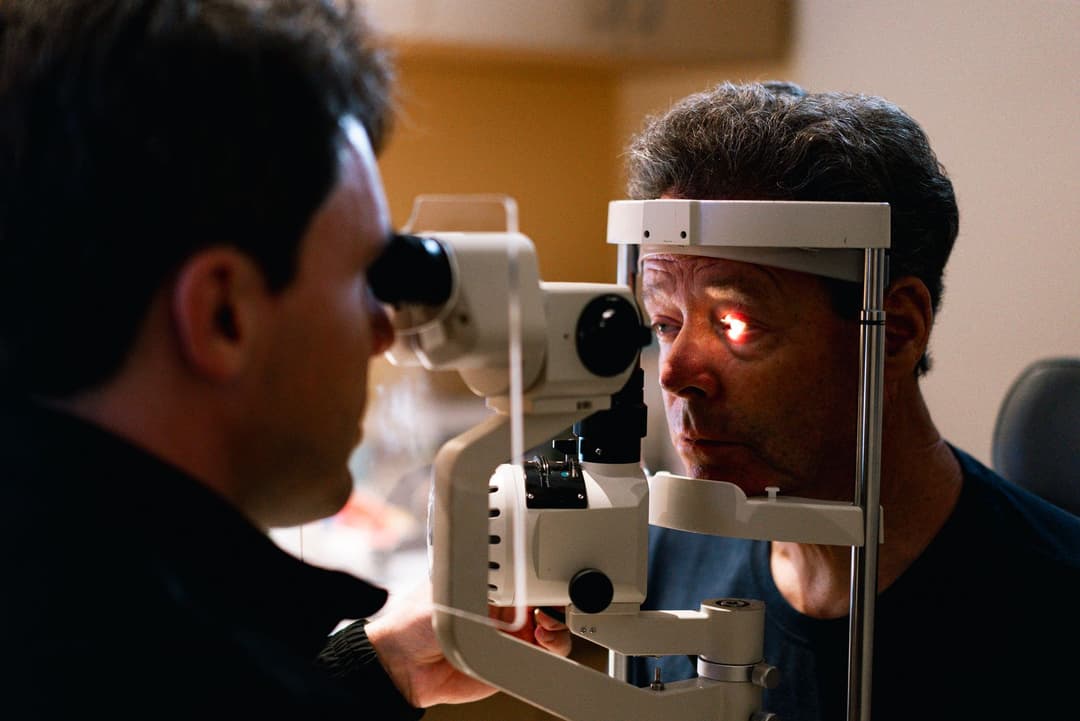
Finding the best ophthalmologist in San Diego is crucial for diagnosing and managing age-related macular degeneration. An ophthalmologist can conduct comprehensive eye examinations, including tests to assess the retina's health and the presence of AMD.
Diagnosing AMD typically involves:
While there is no cure for age-related macular degeneration, several treatment options can help manage the condition and slow its progression:
1. Nutritional Supplements: The Age-Related Eye Disease Study (AREDS) found that certain vitamins and minerals may reduce the risk of progression in individuals with moderate to advanced AMD. These supplements often include vitamins C and E, zinc, copper, and lutein.
2. Anti-VEGF Therapy: For wet AMD, anti-vascular endothelial growth factor (anti-VEGF) injections can help reduce the growth of abnormal blood vessels and prevent vision loss.
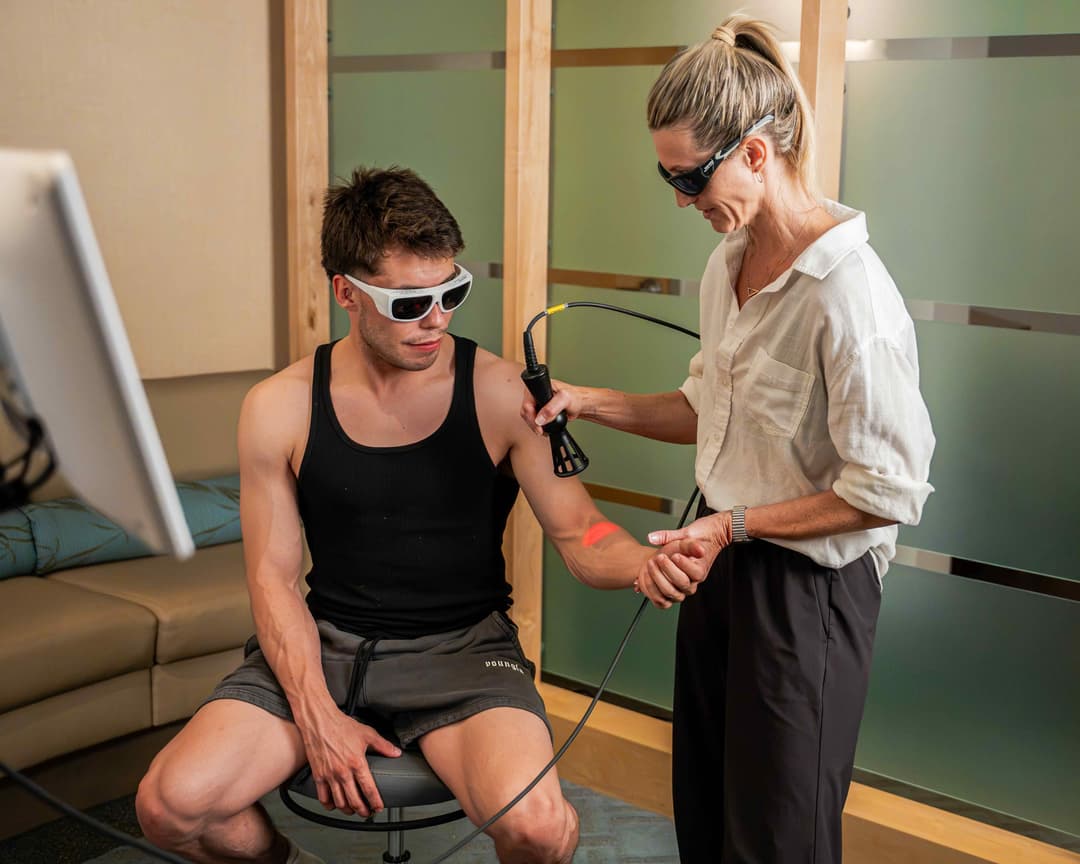
3. Laser Therapy: Laser treatments may be used to destroy abnormal blood vessels in the retina, helping to minimize vision loss.
4. Low Vision Rehabilitation: Support services, including low vision aids and training, can help individuals maximize their remaining vision and maintain independence.
5. Lifestyle Changes: Making healthy lifestyle choices, such as eating a balanced diet rich in antioxidants, exercising regularly, and avoiding smoking, can help lower the risk of progression.
Age-Related Macular Degeneration is a prevalent eye condition that can significantly impact vision and quality of life, particularly among older adults. Understanding what is age-related macular degeneration, its causes, symptoms, and risk factors is essential for early detection and effective management. If you or a loved one are experiencing vision changes, consult the best ophthalmologist in San Diego to get the appropriate care and guidance. Regular eye exams and proactive health choices can play a vital role in maintaining eye health and preventing vision loss from AMD.