facebook
ClearView Logo
Home   •    Patient Resources   •    Blog

Eye Emergencies: When to Go to the ER vs Urgent Care

Your vision is irreplaceable. When something goes wrong with your eyes, knowing where to seek help and how quickly can make the difference between preserving your sight and facing permanent vision loss.

Not every eye problem requires a trip to the emergency room, but some absolutely do. Research shows that nearly half of emergency room visits for eye issues could be better handled at an urgent care facility or ophthalmology office. At the same time, certain eye emergencies can cause irreversible damage within minutes to hours if not treated immediately.

This guide helps you understand which eye problems demand immediate ER care, which can wait for urgent care or same-day appointments, and what steps to take while getting help. As your San Diego eye care team at Clearview, we want you equipped to make the right call when every minute counts.


Understanding Eye Emergencies: What Makes Them Different?

An eye emergency is any sudden or severe condition that threatens your vision or requires immediate medical action to prevent permanent damage. Research from emergency departments shows that only about 13% of patients presenting with eye complaints actually have true emergencies, while 60% have relative emergencies and 27% have non-urgent conditions.


True Eye Emergencies (Get Help Within Minutes to Hours)

These situations demand immediate attention because delayed treatment can cause permanent vision loss:
  • Chemical burns or splashes in the eye
  • Penetrating eye injuries or trauma
  • Sudden, complete vision loss
  • Retinal detachment
  • Acute angle-closure glaucoma
  • Severe eye trauma with visible damage or bleeding
  • Objects embedded or impaled in the eye


Relative Eye Emergencies (Need Same-Day Care)

These need prompt evaluation but aren't immediately sight-threatening:
  • Foreign objects like metal shavings or wood splinters
  • Corneal scratches (abrasions)
  • Eye infections with pain or discharge
  • New flashing lights or sudden increase in floaters
  • Sudden double vision
  • Temporary vision loss (even if it comes back)

Why Time Matters So Much

Unlike other medical emergencies where you might have hours or days, some eye conditions can cause irreversible vision loss within 60 to 90 minutes if left untreated. This is especially true for:
  • Central retinal artery occlusion (eye stroke)
  • Chemical burns, particularly alkali burns
  • Acute angle-closure glaucoma
  • Penetrating trauma with ruptured eyeball

Go to the Emergency Room Immediately If You Experience:


1. Sudden Vision Loss

What it looks like: Any rapid decrease in vision, partial or complete, in one or both eyes. This could be a blackout, severe blurriness, a shadow moving across your vision, or a curtain blocking part of your view.

Why it's serious: Sudden vision loss can signal retinal detachment, retinal artery or vein blockage, optic nerve damage, or stroke affecting your visual system. More than 7 million Americans experience sudden vision loss annually.

What to do: Call 911 or get to the nearest ER immediately. Don't wait to see if it improves. Even if vision returns on its own, you still need emergency evaluation. Temporary vision loss can signal an impending stroke or other serious condition.

Time window: With conditions like central retinal artery occlusion (eye stroke), you have as little as 90 minutes before damage becomes permanent.


2. Chemical Exposure to the Eye

What it looks like: Any household cleaner, industrial chemical, or unknown substance splashed in your eye. Common culprits include bleach, drain cleaners, oven cleaners, fertilizers, cement, and battery acid.

Why it's serious: Alkali burns can penetrate through eye tissues within minutes, causing permanent damage. Chemical burns are among the most time-sensitive eye emergencies.

What to do RIGHT NOW:
  1. Flush your eyes immediately with lukewarm water for at least 15 to 20 minutes, ideally 30 minutes
  2. Get in the shower or hold your head under a gentle stream of clean water
  3. Remove contact lenses if possible during flushing
  4. Tilt your head so water doesn't contaminate the unaffected eye
  5. Then get to the ER while continuing to flush if possible

Critical detail: Don't wait to identify the chemical. Start flushing immediately. Every second counts. Studies show that immediate irrigation before medical care significantly improves outcomes.


3. Penetrating Eye Injury or Embedded Object

What it looks like:
  • Visible object sticking out of the eye
  • Irregularly shaped pupil
  • Clear fluid leaking from the eye
  • Severe pain with any eye movement
  • Blood inside the eye or white of the eye

Why it's serious: Penetrating injuries can rupture the eyeball, damage internal structures, and cause infection or permanent vision loss.

What to do:
  • Never try to remove any object from the eye yourself
  • Cover the eye with a rigid shield. A paper cup taped gently around the eye works
  • Don't apply pressure to the eye
  • Don't let the person rub their eye
  • Get to the ER immediately


4. Severe Eye Pain with Vision Changes

What it looks like:
  • Intense eye pain plus nausea or vomiting plus blurred vision
  • Eye pain with seeing halos or rainbow-colored rings around lights
  • Pain with rapid vision deterioration
  • Eye feels rock-hard to gentle touch through closed lid

Why it's serious: This combination often signals acute angle-closure glaucoma, which can cause permanent vision loss within hours if untreated. It occurs when fluid can't drain from the eye, causing pressure to spike suddenly. Pressure can sometimes reach 30 mmHg or higher (normal is 10 to 21 mmHg).

What to do: Get to the ER immediately. This is a true emergency requiring immediate pressure-lowering treatment and often same-day surgery.

Time window: Even a few hours' delay can cause chronic glaucoma, permanent retinal damage, optic nerve death, and blindness.


5. Eye Trauma with These Signs

When to go to the ER:
  • Blunt trauma (hit by a ball, fist, fall) with vision changes
  • Any trauma with visible damage to the eye
  • Bleeding from the eye
  • Blood visible inside the eye or behind the clear cornea
  • Eye trauma combined with head injury
  • Bulging or swelling that prevents the eye from closing
  • Abnormal pupil size or shape after injury

Why it's serious: Blunt trauma can cause internal bleeding, retinal detachment, globe rupture, or orbital fractures. Even seemingly minor trauma can hide serious internal damage.


6. Symptoms of Retinal Detachment

What it looks like:
  • Sudden appearance of many new floaters (dark spots, squiggly lines, cobwebs)
  • Flashes of light in one or both eyes
  • A shadow, curtain, or veil moving across your vision
  • Sudden blurriness with loss of peripheral (side) vision

Why it's serious: Retinal detachment separates the retina from its blood supply. Without oxygen and nutrients, retinal cells die quickly. If not reattached soon, you can lose vision permanently.

What to do: Get to the ER or call your ophthalmologist for emergency evaluation within 24 hours. Sooner is better. Retinal detachment is painless, so don't let the lack of pain fool you into thinking it's not urgent.

Time window: While you have a bit more time than with some emergencies, delays of even a day or two can worsen outcomes and make surgery more complicated.


Go to Urgent Care or Call Your Eye Doctor for Same-Day Appointment If You Have:


1. Small Foreign Object in the Eye

What it looks like:
  • Feeling like something is in your eye
  • Excessive tearing
  • Sharp pain followed by burning
  • Blurred vision
  • Redness

When urgent care works: If it's a small particle like dust, dirt, an eyelash, or a small piece of debris on the surface, not embedded.

When you need the ER instead: If the object is embedded, you can see it stuck in the eye, it's metal or glass, or you can't flush it out with water.

What to do first: Try flushing with clean water for several minutes. If that doesn't work, go to urgent care or your eye doctor.


2. Corneal Abrasion (Scratched Eye)

What it looks like:
  • Pain and feeling like something's in your eye (even if nothing is there)
  • Light sensitivity
  • Redness and tearing
  • Blurred vision

When urgent care works: Simple scratches from fingernails, paper, or makeup brushes that aren't deep.

When you need higher-level care: Scratches from dirty objects, organic material (tree branches, plants), animal claws, or scratches with worsening pain.

Why it matters: Corneal abrasions can become infected. They heal better with proper treatment including antibiotic drops and sometimes protective contact lenses.


3. Eye Infections

What it looks like:
  • Redness
  • Discharge (clear, yellow, or green)
  • Crusty eyelids, especially in the morning
  • Swelling
  • Pain or discomfort

When urgent care works: Mild to moderate conjunctivitis (pink eye), styes, or minor infections.

When you need the ER: Severe pain, vision changes, cellulitis (infection of tissues around the eye with significant swelling and redness), or infection with fever.


4. Sudden Increase in Floaters or Flashes

What it looks like:
  • Sudden appearance of many new floaters
  • Flashes of light, especially in peripheral vision
  • No curtain or shadow yet (if you have those, go to the ER)

Why same-day care matters: This can be an early warning sign of retinal detachment or a retinal tear. Catching it early can prevent full detachment.

What to do: Call your ophthalmologist for an urgent same-day dilated eye exam. If it's after hours, follow their emergency instructions or go to the ER.


Can Wait for Regular Appointment (Schedule Within a Few Days):

  • Mild eye irritation or discomfort
  • Gradual vision changes over weeks or months
  • Simple stye without vision changes
  • Mild dry eye
  • Need for glasses prescription update
  • Red eye without pain or vision changes
  • Non-urgent eye concern

Emergency Room vs Ophthalmologist vs Urgent Care: Which to Choose?

When to Choose the Emergency Room

Best for:
  • Chemical burns (start flushing immediately, then go)
  • Penetrating trauma or embedded objects
  • Sudden vision loss
  • Eye injuries combined with head trauma
  • Severe eye pain with nausea and vision changes
  • When your ophthalmologist isn't immediately available and it's a true emergency
Limitations:
  • May lack specialized eye equipment
  • General physicians may miss subtle eye conditions
  • Longer wait times for non-life-threatening issues
  • Higher costs
  • May still refer you to an ophthalmologist afterward

Hospital choice matters: If possible, choose an ER with ophthalmology services or that's connected to an eye specialty center. They'll have better equipment and specialists on call.


When to Choose Your Ophthalmologist (Dr. Feldman at Clearview)

Best for:
  • Any condition affecting your vision
  • Same-day emergencies during business hours
  • Follow-up after ER treatment
  • Conditions requiring specialized equipment
  • When you can reach us quickly
Advantages:
  • Specialized training and comprehensive eye equipment
  • Ability to provide definitive treatment, not just stabilization
  • Detailed evaluation with specialized tests
  • Established relationship and continuity of care
  • Often more cost-effective than ER
At Clearview, we offer:
  • Same-day emergency appointments for urgent conditions
  • 24/7 emergency consultation line for triage: (858) 452-3937
  • Direct communication with area emergency rooms
  • Advanced diagnostic equipment for comprehensive evaluation


When to Choose Urgent Care

Best for:
  • Minor foreign objects on the eye surface
  • Simple conjunctivitis
  • Minor scratches or abrasions
  • Eye complaints without vision changes
  • When your eye doctor isn't available and it's not a true emergency
Limitations:
  • Can't handle sight-threatening emergencies
  • May lack specialized eye examination equipment
  • Usually staffed by non-eye specialists
  • Will refer you elsewhere for complex issues


First Aid: What to Do While Getting Help

For Chemical Burns

  1. Flush immediately with lukewarm water for 15 to 30 minutes
  2. Remove contact lenses during flushing if possible
  3. Keep flushing even while someone calls 911 or drives you to the ER
  4. Tilt head to prevent contamination of the other eye
  5. Don't stop to read the chemical label. Just flush

For Foreign Objects

  1. Don't rub your eye
  2. Blink several times to see if tears wash it out
  3. Pull upper eyelid over lower eyelid to dislodge particles
  4. Flush with clean water or saline
  5. If it doesn't come out easily, seek medical care
  6. Never try to remove embedded objects yourself

For Eye Trauma

  1. Don't touch or rub the eye
  2. Don't apply pressure
  3. Don't try to rinse if you suspect a penetrating injury
  4. Cover the eye gently with a rigid shield (paper cup works)
  5. If both eyes move together and cause pain, consider covering both
  6. Get to the ER immediately

For Sudden Vision Loss

  1. Don't panic, but act quickly
  2. Note exactly when it started and what you were doing
  3. Note if it's partial or complete, one eye or both
  4. Call 911 or have someone drive you to the ER
  5. Don't drive yourself

For Retinal Detachment Symptoms

  1. Note all symptoms (floaters, flashes, shadows)
  2. Avoid jarring movements or heavy lifting
  3. Call your ophthalmologist immediately
  4. If after hours, follow their emergency instructions or go to ER
  5. Don't wait until morning if symptoms start at night


Common Questions About Eye Emergencies

How do I know if an eye problem is truly an emergency?

Ask yourself these questions:

Is my vision affected?

Is the pain severe?

Was there trauma or chemical exposure?

Is there visible damage, bleeding, or something embedded?

Are there sudden new symptoms like floaters, flashes, or shadows?

If you answered yes to any of these, seek immediate care. When in doubt, call our emergency line or go to the ER. It's better to have a false alarm than to delay treatment for a serious problem.

Why can't urgent care handle all eye emergencies?

Urgent care facilities often lack:

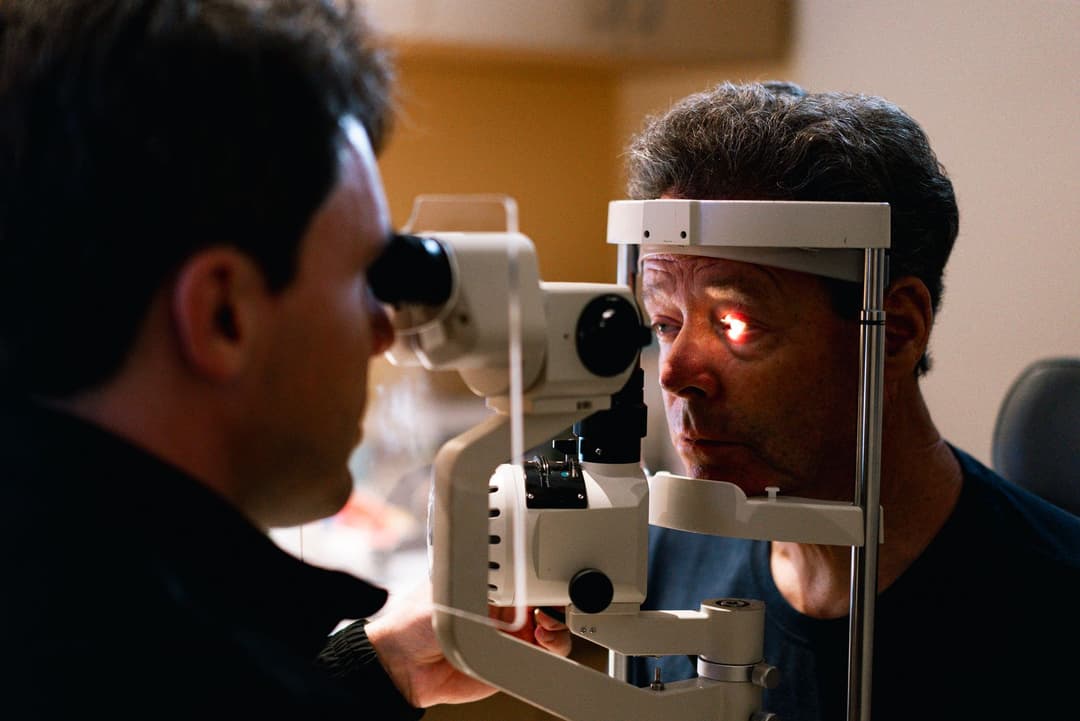
  1. Slit lamp microscopes for detailed eye examination
  2. Tonometry equipment to measure eye pressure
  3. Ophthalmoscopes for retinal examination
  4. Specialized training in complex eye conditions
  5. Ability to perform emergency eye procedures

For true sight-threatening emergencies, specialized ophthalmology care is crucial.

Should I go to the ER if it's just floaters?

A few existing floaters are normal. But sudden onset of many new floaters, especially with flashes of light, requires same-day evaluation. If you also see a shadow or curtain, go to the ER immediately. That signals possible retinal detachment.

What if I'm not sure whether to go to the ER or wait?

Call our emergency line at (858) 452-3937. We can help you determine the urgency and guide you to the right level of care. Many eye conditions sound scarier than they are, while others seem minor but need immediate attention. We'd rather talk you through it than have you guess.

Can I flush my eye with tap water in an emergency?

For chemical burns, yes absolutely. Don't delay flushing while looking for sterile saline. Tap water is fine and every second counts. For other situations like removing particles, clean tap water or saline solution both work.

What if my vision returns after being gone briefly?

Even temporary vision loss (called transient vision loss or amaurosis fugax) requires emergency evaluation. It can signal an impending stroke or serious eye condition that will worsen without treatment. Go to the ER or call us immediately.

How long can I wait with eye pain before seeking help?

Depends on the severity and accompanying symptoms:

  • Severe pain with vision changes, nausea, or halos: ER immediately
  • Moderate pain with foreign body sensation: Same-day care
  • Mild discomfort without vision changes: Call for appointment within 1 to 2 days
Will the ER just refer me to an eye doctor anyway?

Often, yes, especially for follow-up care. The ER stabilizes emergencies and provides initial treatment, then refers you to an ophthalmologist. For conditions during business hours, calling us first can save you time and money. We can often provide definitive treatment in one visit.


Red Flags: Never Ignore These Symptoms

Seek immediate emergency care if you experience:
  • Sudden vision loss or severe vision decrease
  • Severe eye pain, especially with nausea
  • Eye injury from any trauma
  • Chemical splash in the eye
  • Something embedded in the eye
  • Blood inside the eye or leaking from the eye
  • Sudden onset of many floaters with flashes
  • Curtain or shadow across vision
  • Double vision that starts suddenly
  • Pupils that are different sizes after injury
  • Eye that can't move normally
  • Severe headache with vision changes (especially if you're over 50)
  • Halos around lights with pain and nausea

Prevention: Protecting Your Eyes from Emergencies

While not all eye emergencies can be prevented, you can reduce your risk:

At work and home:

  • Wear safety goggles when using chemicals, power tools, or doing yard work
  • Store chemicals safely and read labels before use
  • Wear protective eyewear during sports (especially racquet sports, baseball, basketball)
  • Use proper technique when opening champagne or dealing with pressurized containers

For your eye health:

  • Get regular comprehensive eye exams, especially if you're nearsighted, have diabetes, or have a family history of retinal detachment
  • Know your risk factors for retinal detachment and glaucoma
  • Don't ignore gradual vision changes. They can indicate problems that become emergencies

If you wear contacts:

  • Follow proper hygiene and replacement schedules
  • Never sleep in contacts unless specifically designed for it
  • Remove contacts before swimming or showering
  • Replace your contact lens case regularly


The Bottom Line

Eye emergencies can happen suddenly and without warning. Knowing when to seek immediate care versus scheduling an appointment can save your vision. Here's a quick summary:

Go to the ER immediately: Chemical burns, sudden vision loss, penetrating injuries, severe pain with vision changes, retinal detachment symptoms, eye trauma with visible damage

Same-day urgent care or call your ophthalmologist: Foreign objects, corneal scratches, eye infections, sudden new floaters/flashes, temporary vision loss

Schedule regular appointment: Mild irritation, gradual vision changes, simple stye, dry eye, glasses prescription needs

When in doubt, call us: Clearview Eye and Laser Medical Center offers 24/7 emergency consultation at (858) 452-3937. We're here to help you determine the right course of action and preserve your vision.

Your eyes are precious and irreplaceable. Don't take chances with your vision. Quick action can make all the difference between preserving your sight and facing permanent loss. We're here to help. Day or night.


GET STARTED WITH CLEARVIEW

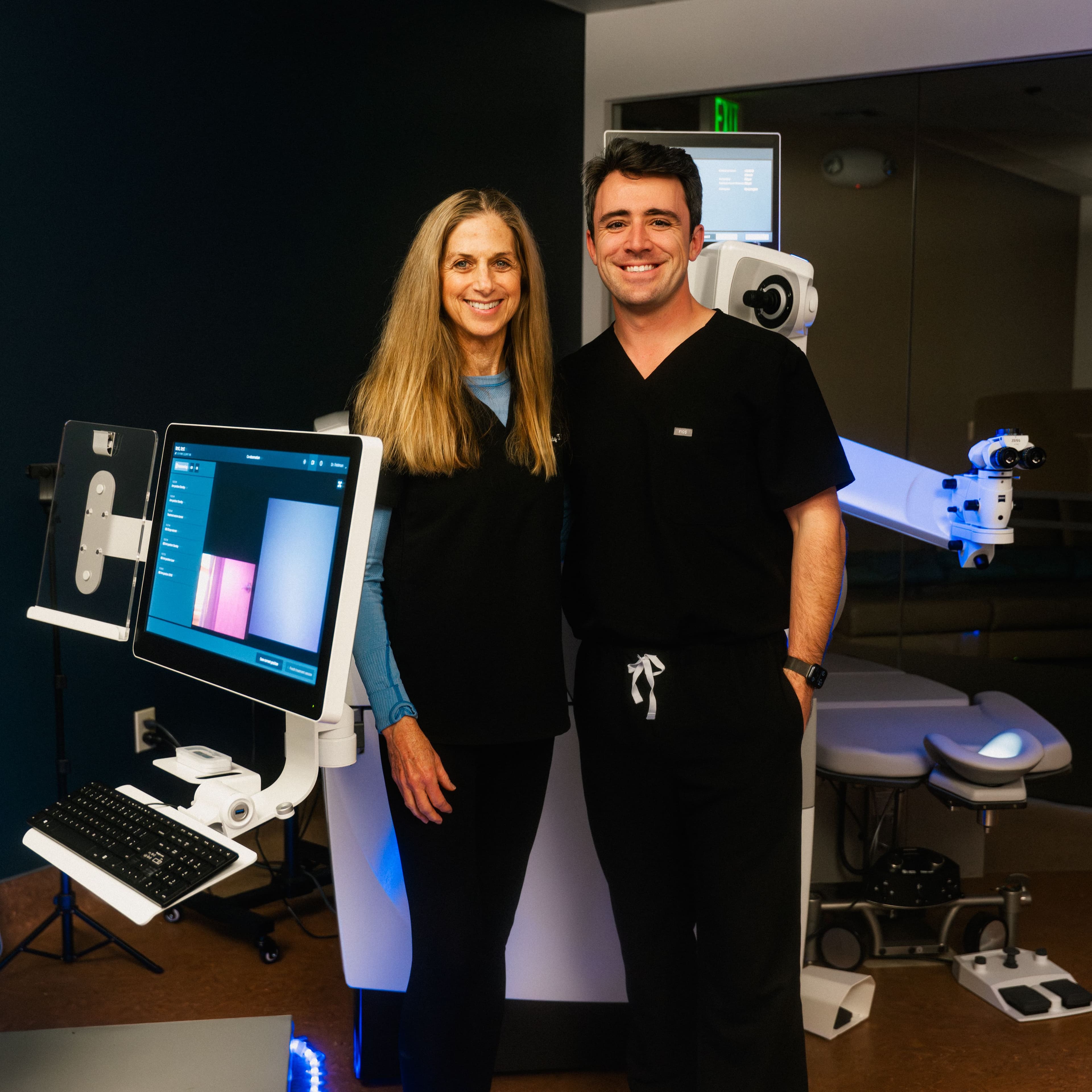
Schedule your free consultation with Dr. Sandy T. Feldman or Dr. Michael. L Mathison to discover how achieving visual freedom can change your life.

Google Logo
Facebook logo large
Facebook Logo
Yelp Logo