Astigmatism is a refractive error that occurs in the eye and is common among millions of individuals around the world. Astigmatism is a condition in which the cornea or lens is irregularly shaped unlike nearsightedness (myopia) or farsightedness (hyperopia). This blog will explore the nature of astigmatism, its causes, symptoms, the impact of astigmatism on vision, and the different treatment options, including LASIK to treat astigmatism.
Astigmatism refers to a condition that arises when the eye cornea or lens is not spherical. The cornea and the lens in a normal eye have a uniform curvature, which enables the light to focus directly on the retina. In astigmatism, however, the abnormal shape causes the light to focus on several points in front or behind the retina resulting in distorted or blurred vision. This refractive error may be combined with myopia or hyperopia and therefore it is a complex vision problem.
It is not clear what exactly causes astigmatism, but there are a number of factors that cause astigmatism to develop.
Genetics: Astigmatism is a familial condition indicating a genetic predisposition. When either or both parents are astigmatic, there is a possibility that their children will develop it.
Corneal Shape: Irregular cornea shape is the most common cause of astigmatism. The cornea can also be shaped more like a football rather than rounded like a basketball, which results in uneven refraction of light.
Lens Distortion: Sometimes astigmatism is brought about by irregularities in the shape of the lens within the eye. This form of astigmatism is not prevalent but may have a considerable effect on vision.
Eye Injuries or Surgery: Eye trauma or eye surgery may cause the cornea to alter its shape, causing astigmatism.
Keratoconus: It is a progressive eye disease that makes the cornea thin and protrude outward, resulting in irregular astigmatism.
These causes are important to understand who is at risk and to put in place early intervention measures.
The astigmatism symptoms may be mild or severe and may occur over time. There are some typical symptoms, which include:
Blurred or Distorted Vision: This is the most common symptom, in which both the near and the distant objects can be blurred.
Difficulty Seeing at Night: Patients with astigmatism might complain of greater difficulty seeing in low-light situations, and they tend to report halos or glare around lights.
Eye Strain: When the eyes are used extensively, particularly when performing tasks such as reading or operating a computer, they may become tired or sore.
Headaches: Headaches, especially following visual activities, may be an indication of astigmatism.
Squinting: Individuals might be forced to squint in an effort to enhance clarity, which might cause additional eye strain.
Early detection of these symptoms can result in an early diagnosis and treatment which will greatly enhance the quality of life of the affected individuals.
Normal vision enables the light rays to concentrate on one point on the retina and thus clear images are produced. Conversely, astigmatism makes the light to be scattered and focused at many points distorting the visual image. This may cause difficulties in daily life activities like driving, reading and face recognition.
Normal Vision vs. Astigmatism: In normal vision, the cornea is smooth and round in shape, which allows the rays of light to enter the eye in a uniform manner. On the other hand, the irregular shape of the cornea causes the uneven refraction in astigmatism, resulting in objects being blurred or distorted.
Effects on Daily activities: Astigmatics may have difficulties with activities that demand sharpness of vision. As an example, it becomes difficult to read small fonts, watch TV, or even play sports. This challenge may result in frustration and a lack of confidence in different activities.
Compounding Effects: Astigmatism may cause other problems, like the deterioration of vision with time or the occurrence of amblyopia (lazy eye) in children when not corrected. These possible complications can be prevented by early detection and treatment.
Treatment of astigmatism is usually done using corrective lenses or surgery. Some of the most common ways of treating astigmatism include the following:
LASIK is a well-known and efficient operation to correct astigmatism, and it has many advantages:
The LASIK surgery typically entails the following procedures:
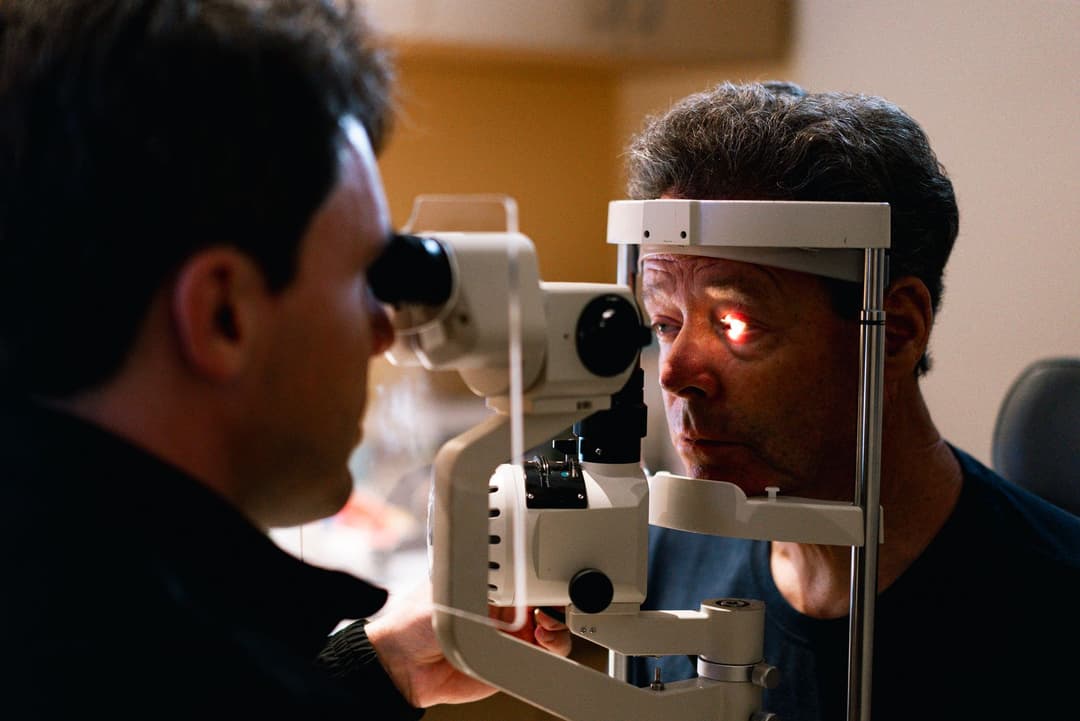
Preoperative Consultation: A comprehensive eye test is done to ascertain the appropriateness of LASIK to the patient. This involves measuring the corneal thickness, corneal mapping and overall eye health.
Preparation: The patient is placed in a comfortable position on the day of the surgery, and a numbing eye drop is used to reduce pain.
Development of the Flap: A thin flap is developed on the cornea surface by use of a microkeratome or a femtosecond laser.
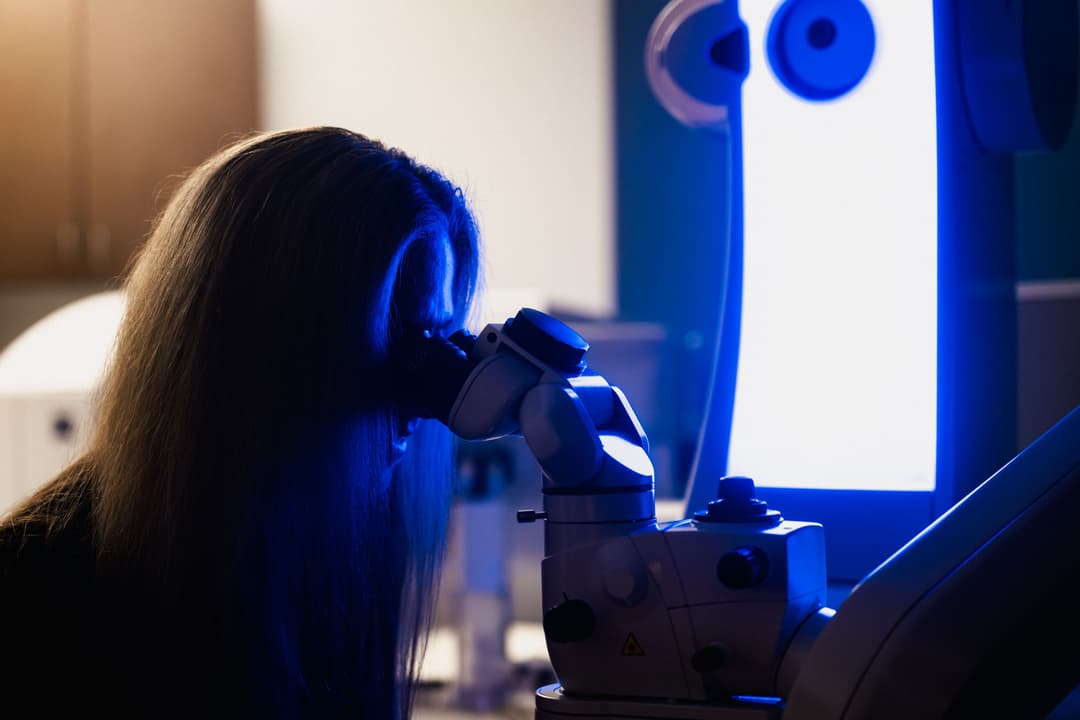
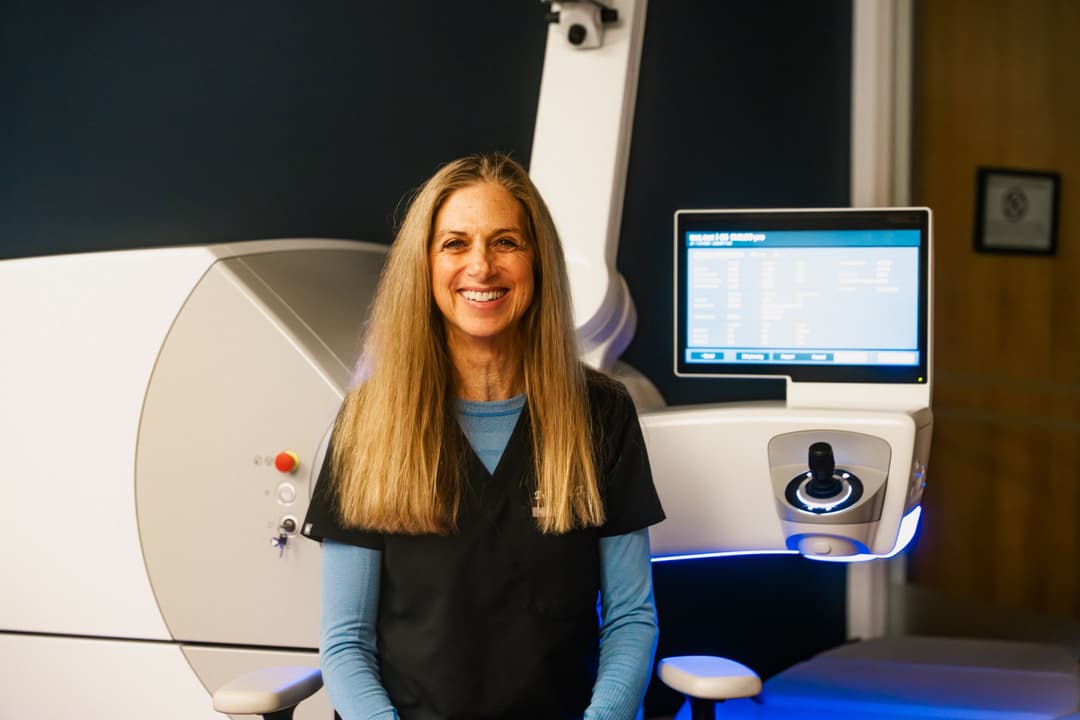
Reshaping the Cornea: The surgeon applies a laser to the underlying cornea to correct the refractive defect of astigmatism.
Corneal flap replacement: The corneal flap is then replaced, and it sticks itself without the use of stitches.
Postoperative Care: Patients receive special instructions on aftercare and are arranged to visit the doctor again to assess the progress and vision.
While LASIK is a suitable option for many individuals with astigmatism, certain criteria must be met:
Age: Candidates should be at least 18 years old, as vision typically stabilizes by this age.
Stable Vision: A stable prescription for at least one year is essential to ensure lasting results.
Eye Health: Candidates must have no serious eye conditions or diseases that could affect surgery.
Realistic Expectations: Patients should have a clear understanding of what LASIK can achieve and its limitations.
Astigmatism is a common eye disorder that may have a significant effect on vision when not corrected. Being aware of the definition of astigmatism, its causes, symptoms, and treatment options will enable people to seek proper care and enhance their quality of life. With eyeglasses, contact lenses, or LASIK for astigmatism, vhere are several effective solutions that can be used to restore normal vision.
In case you think that you have astigmatism or feel any other symptoms, it is necessary to refer to an eye care specialist. The condition can be successfully managed through early diagnosis and intervention so that you can have a clearer and more comfortable vision.