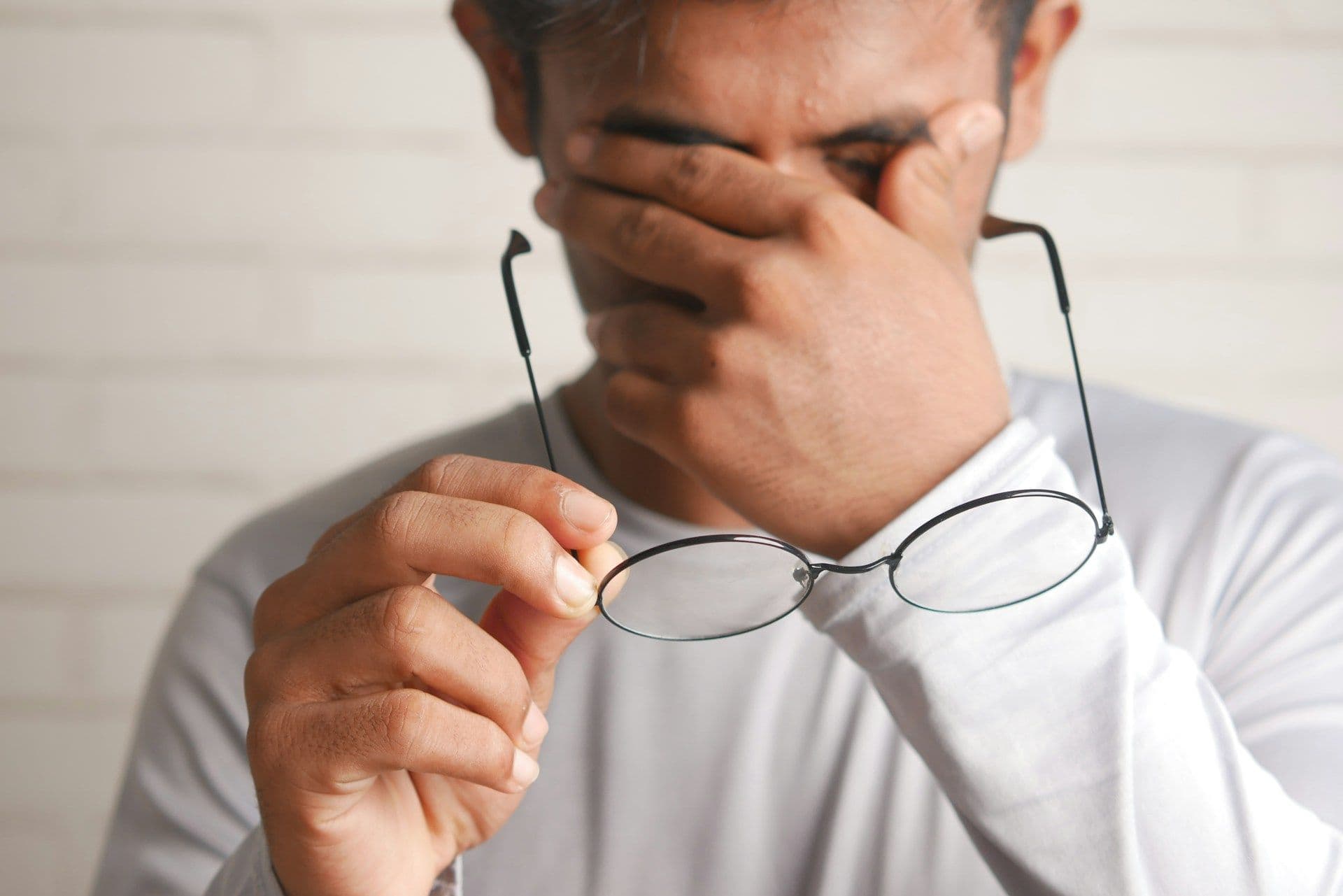

If you spend hours each day looking at a screen, you are not alone. Between work, school, social media, and entertainment, most of us are looking at phones, tablets, and computers far more than our eyes were designed to do.
The result? A lot of tired, uncomfortable eyes.
Digital eye strain, also called computer vision syndrome, has become one of the most common complaints I hear in my practice. Patients describe symptoms like persistent eye fatigue, dryness, blurred vision, headaches, and neck pain. Some people notice their eyes feel gritty by mid afternoon, while others struggle through evening video calls with vision that feels foggy.
You have probably heard the advice: follow the 20-20-20 rule. Every 20 minutes, look at something 20 feet away for 20 seconds. It is simple, free, and sounds like it should work. But does it actually help? That is what we are going to explore in this article.
The rule is straightforward. Every 20 minutes of near focus work, pause and look at something approximately 20 feet away for about 20 seconds.
This simple habit was created by eye care professionals as a practical way to remind people to take regular breaks from near focus and to blink more often. It is one of those ideas that is easy to remember and easy to practice, which is part of why it has become so popular in offices, schools, and homes everywhere.
When I talk with my patients about the 20-20-20 rule, I always try to be honest about what research actually shows.
The good news: major eye care organizations, including the American Academy of Ophthalmology and the American Optometric Association, recommend regular breaks and refocusing as a helpful habit for eye comfort. These organizations understand that the rule aligns with how our eyes naturally work and that it encourages a behavior (blinking and breaking focus) that supports eye health.
The more nuanced news: while many people report feeling relief when they follow the rule, the direct scientific evidence is still evolving. Some research suggests that regular breaks and refocusing can help reduce symptoms of digital eye strain and dry eye, but other studies show mixed results. The research is ongoing, and the picture is not yet completely clear.
What we do know from eye science is this:
When you focus on something up close, your eye muscles (ciliary muscles) contract to bend the lens and bring near objects into focus. This focused state is called accommodation. Over time, this sustained contraction can feel tiring. When you look at something far away, these muscles relax, and accommodation is reduced. That relaxation is genuinely helpful for comfort.
Additionally, when we concentrate on screens, we blink less often. Our blink rate can drop by 50 percent or more during focused screen work. Blinking spreads tears across the surface of the eye and keeps the cornea (the clear front of the eye) lubricated. Taking breaks naturally encourages us to blink more, which can help prevent dryness.
So the rule is based on real eye physiology. The question is how much difference it actually makes for most people in the real world.
The honest answer: it works well for some people, works a little for others, and does not eliminate symptoms for everyone.
The rule can help many people feel less eye fatigue and discomfort during the day. It reminds you to blink, to relax your focusing muscles, and to let your eyes rest from close up work. For people with mild to moderate digital eye strain, consistent use of the rule often leads to noticeable improvement.
The rule is safe, easy, and free. There are no side effects or risks. You do not need special equipment or medication. If you can set a timer on your phone or use a break reminder app, you can follow it. That makes it worth trying as part of your daily routine.
Results vary from person to person. Some people feel dramatically better when they follow the rule consistently. Others notice a modest improvement. A smaller group finds that the rule alone is not enough to resolve their symptoms. This variation is normal and depends on factors like the severity of your eye strain, your overall eye health, how much time you spend on screens, and other habits like lighting and screen positioning.
The rule is a comfort strategy, not a treatment or cure. It does not change your prescription. It does not treat dry eye disease, presbyopia, or other eye conditions. It does not prevent myopia (nearsightedness) from developing or worsening. What it does is encourage a habit that makes many people more comfortable while they work or study.
If you experience persistent eye fatigue, blur, pain, or dryness that does not improve with breaks and rest, that is a signal to see an eye care professional. There may be an underlying condition that needs evaluation and treatment.
The 20-20-20 rule is useful, but it is just one piece of the puzzle. Here are other strategies I recommend to my patients:
Adjust your setup. Position your screen about 20 to 26 inches from your eyes and slightly below eye level. This posture reduces eye strain and neck tension. Make sure your lighting is adequate but not glary. Bright windows or overhead lights reflecting off your screen make your eyes work harder.
Stay hydrated and use artificial tears if needed. Dry eye is a major cause of digital eye strain. If your eyes feel dry, over the counter artificial tears can help. Use them preventively, not just when symptoms are severe. If dryness persists, talk to your eye care provider about other options.
Protect your children's eyes. Children today are spending more screen time than ever. Encourage outdoor time, which has been shown to support healthy eye development. If your child has high screen time for school or entertainment, they too can benefit from regular breaks using principles similar to the 20-20-20 rule. A pediatric eye care specialist can offer personalized guidance.
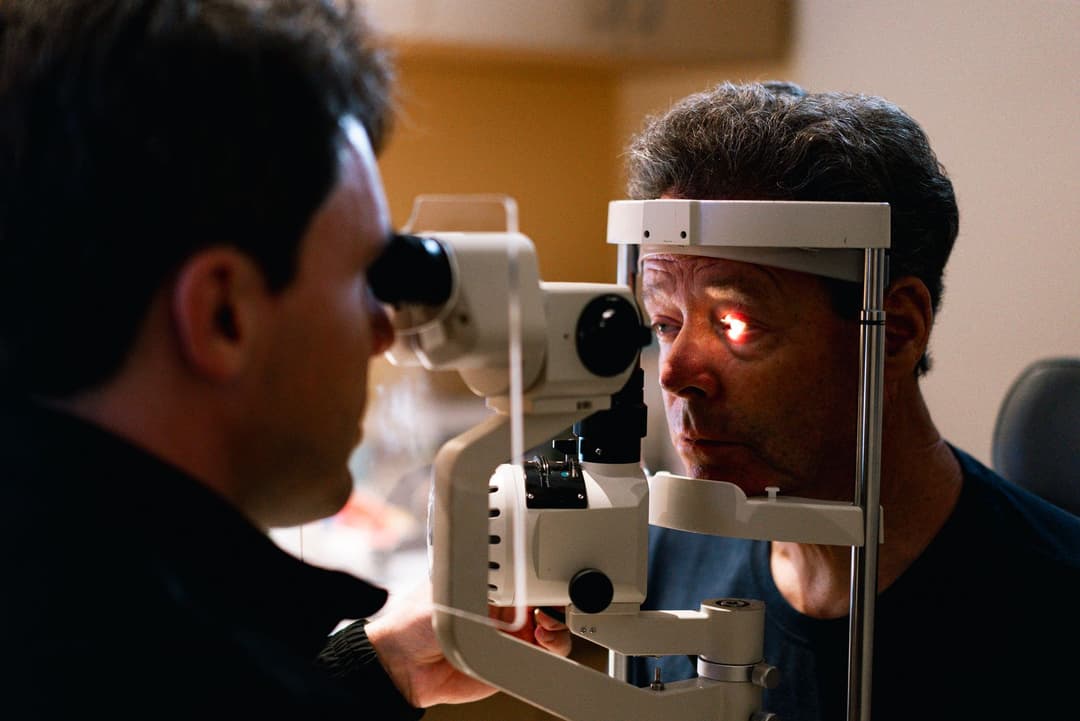
Get regular comprehensive eye exams. Many people assume their eyes are fine because they can see clearly. But a comprehensive exam checks for uncorrected refractive error (like astigmatism), dry eye, presbyopia, and other conditions that might be contributing to your strain. If you have been putting off an eye exam, now is a good time to schedule one.
Be mindful of your overall screen time. The 20-20-20 rule helps, but if you are on screens for 12 hours a day, even with regular breaks, your eyes are working hard. When possible, find ways to reduce total screen time, especially in the evening before bed.
While the 20-20-20 rule can help many people, some groups may need extra attention and personalized advice:
Contact lens wearers: Contact lenses can contribute to dryness, especially during long screen sessions. If you wear contacts and experience eye strain, talk with your eye care provider about lens types, wearing schedules, and additional strategies like rewetting drops.
People with dry eye: If you already have dry eye disease or chronic dryness, screens can make it worse. Your eye care provider might recommend prescription drops, punctal plugs, or other treatments in addition to the 20-20-20 rule.
Children and teens with very high screen time: Young eyes are still developing. Extended screen exposure, especially without adequate outdoor time, may affect visual development and comfort. Pediatric eye care guidance is especially important for this age group.
People with certain eye conditions: If you have astigmatism, presbyopia, macular degeneration, or other eye conditions, the 20-20-20 rule alone may not address your needs. Your eye doctor can recommend a more complete plan tailored to your specific situation.
If you fall into any of these groups, I encourage you to have a detailed conversation with an eye care professional about what will work best for you.
The 20-20-20 rule is a useful reminder and a practical habit that can help many people manage digital eye strain. It encourages blinking, relaxes your focusing muscles, and gives your eyes a genuine break. But it is just one part of a healthy screen routine. Lighting, screen positioning, hydration, breaks from screens altogether, and regular eye exams all matter too.
If you are in the San Diego area and struggling with eye strain, digital eye fatigue, or any other vision concerns, I would love to see you at Clearview Eye and Laser Medical Center. We offer comprehensive eye exams, advanced technology for diagnosis, and personalized treatment plans designed for your comfort and long-term eye health. Whether you are considering LASIK, managing an eye condition, or simply want expert guidance on protecting your vision, our team is here to help.
Your eyes deserve care and attention. Let us support you in seeing clearly and comfortably, whether you are at work, at school, or anywhere else life takes you.
Schedule your eye exam with Dr. Feldman and the Clearview team today. Your eyes will thank you.