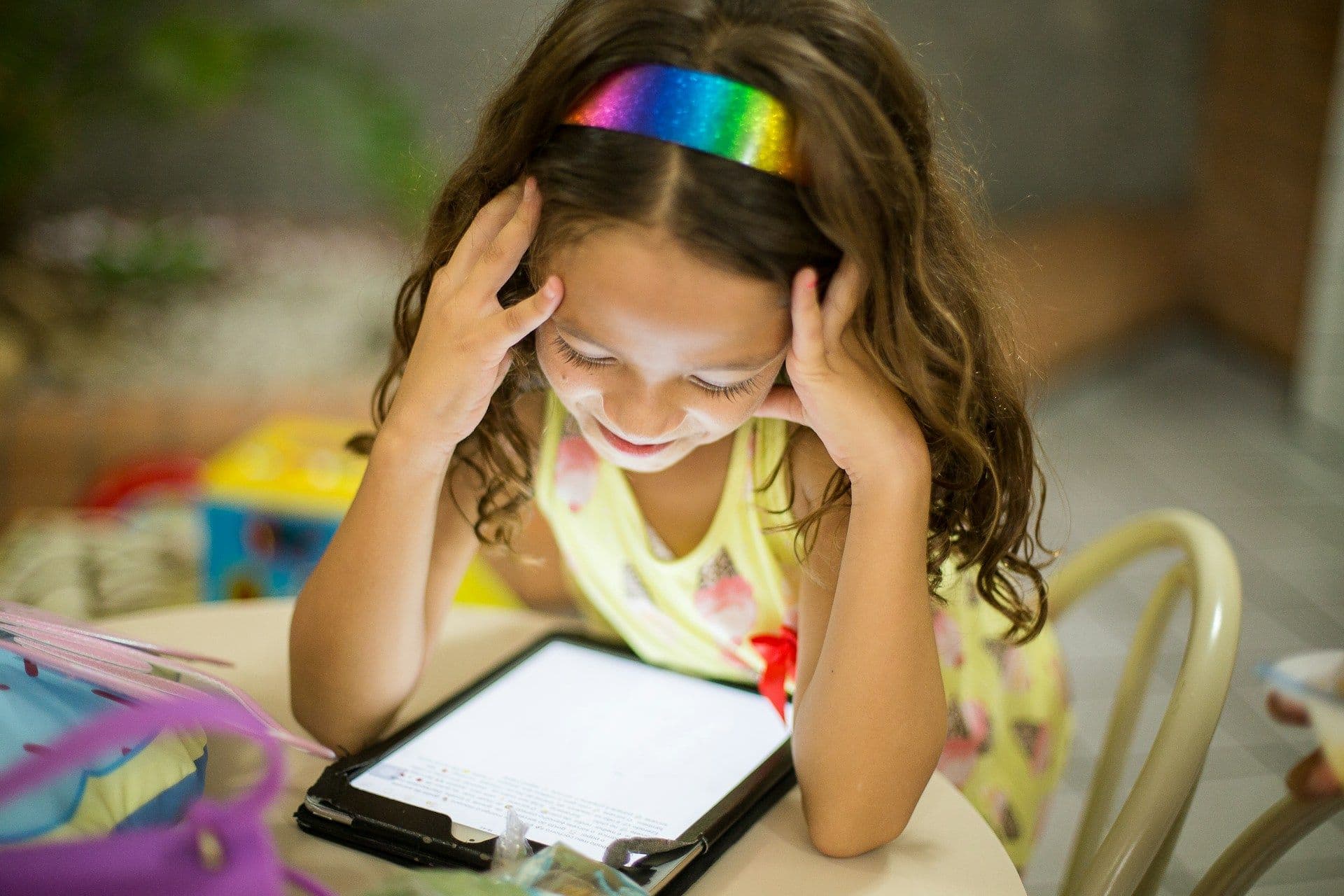
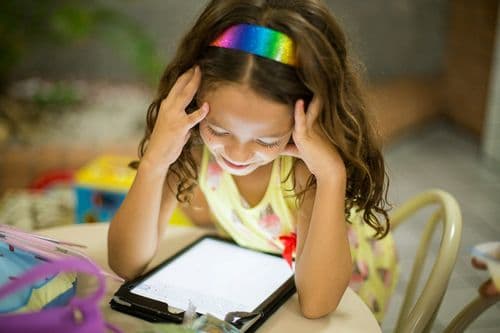
Children today are experiencing a world where screens are present everywhere just like pencils were for kids in the past. Through virtual learning and doing homework, playing games, using social media, or simply making family video calls, kids nowadays spend more time on digital screens than any generation before them. For parents, it comes with a set of legitimate questions: Will these screens harm my child's eyes? Is it possible that too much screen time will cause permanent vision problems? Will it be because of screens that my child has to wear glasses?
Such worries are very natural especially when various news reports and social media posts keep raising alarms about increasing rates of myopia and "screen-induced" eye damage. The intention behind this piece is to assist you in interpreting the data from scientific studies about screen exposure and kids' eyesight in 2026. We will discuss the facts, the areas in which we still lack information, and the reasonable cautionary measures you can take to help your child's visual health without over-worrying or blaming yourself.
The brief response is this: screens certainly impact a child's eye health but are just one factor among many. Things are the way research at present has shown.
Myopia (nearsightedness) progression and screens: Intense periods of near work, including screen usage time, correlate with higher myopia incidences, especially when outdoor activities are kept to a minimum. A thorough meta-analysis done in 2024 reconfirmed that screen time exposure is a factor that is significantly associated with myopia in children and adolescents. However, this correlation does not mean that screens alone are the culprit of myopia. Besides genetics, other factors such as the total time spent indoors, less blinking, and no exposure to nature contribute significantly to myopia development. During the lockdown related to COVID-19, when many children switched to remote learning and their average screen time was raised from 2. 1 hours to 5. 6 hours daily, the speed of myopia progression was quite evident. After the restrictions were lifted and screen time was reduced, the trend of myopia worseningor slowing down happened. This scenario indicates that among a complex mix of circumstances, which can influence the risk, screen time is an account being a modifiable one.
Screens and eye strain: Computer vision syndrome is a legitimate condition and is becoming more and more common. Signs of the condition are that peoples eyes feel tired, dry, and irritated; they may have trouble focusing, and after a long time spent looking at a screen they may even get headaches. The American Academy of Pediatrics and the American Academy of Ophthalmology both recognize the symptoms of digital eye strain, but studies suggest that these symptoms are generally associated with the way children use screens rather than being caused by blue light specifically. Decreased blinking, incorrect posture, overconcentration on near objects, and not taking breaks are the main reasons for discomfort. In most cases, eye strain from screen use is only temporary and goes away naturally with good habits rather than being a sign of permanent damage.
What professional organizations say: The American Academy of Pediatrics (AAP), American Academy of Ophthalmology (AAO), and American Association for Pediatric Ophthalmology and Strabismus (AAPOS) all recognize that screens are inevitable in today's childhood. Instead of blaming screens as the main culprit of eye "damage," these organizations focus on balanced media use, sufficient outdoor time, and regular eye checks. None of these organizations suggest special blue light glasses for children according to the present evidence, in the same way, they also didn't for adults.
Permanent damage from screens: Current research evidence does not offer any support for the notion that screens can cause permanent retinal damage or blindness in children. Laboratory investigations show that exposure to intense blue light can stress retinal cells. However, the level of blue light emitted by devices is significantly lower than that of natural sunlight, and no clinical come from studies has shown that use of devices causes lasting damage.
The AAP and other pediatric groups stress that there is not a one-size-fits-all "safe" number of screen hours for children. Rather, these recommendations focus on developmental stages and individual family situations. Consider these as goals rather than strict rules.
Ages under 2 years: Limit screen time only to video calling with family members. Babies and young toddlers mainly learn through touch, play, and human interaction. Any screen time should be purposeful and very short rather than being the 'background' of the child's day. The growing brain requires first-hand exploration and not passive observation.
Ages 2 to 5 years: The aim is to limit screen time to about 1 hour per day of high-quality content with adult supervision. This standard recognizes that kids may occasionally watch educational shows but emphasizes the importance of a balance with other activities such as play, going outdoors, physical exercise, and interaction with peers. It is best to co-view with a parent whenever possible.
Ages 6 to 12 years (school age): Establish clear, consistent boundaries so that sleep, outdoor play, and physical activity are not sacrificed for recreational screen time. Most of the guidelines recommend that recreational screen time should be kept around 2 hours per day as a reasonable target, though the needs of each individual are different. Keep in mind that screen time for school (remote learning, homework, research) is different from entertainment screen use and generally cannot be avoided.
Teens and older: Instead of a rigid hour cut-off, the emphasis should be put on balance, regular sleep schedules, time spent outdoors, and overall digital wellness. By the time they reach this age, a lot of teens require the use of screens not just for school but also for their social connection. The aim should be to assist them in forming good relationships with the technology rather than impose strict limitations which are usually met with resistance.
The most vital principle at all ages is that these guidelines should be seen as flexible and tailored to each family. Your situation, your child's needs, and your values should be the main factors influencing your decisions.
Watch for these signals that your child may be experiencing digital eye strain or eye discomfort:
Children, in general, do not just tell about their eye intensity like adults do. Parents most times get the first clue to this situation by recognizing such behaviors as eye rubbing, or the kid totally avoiding screens. For new or persistent symptoms that also interfere with school work or play, make an appointment for an eye exam. A large number of these symptoms, with their various manifestations, could be indications of such conditions as a refractive error without correction (needing glasses), dry eye, or may be only the need for a change in poor screen habits.
The good news is that several cases of eye strain from screens can be avoided by a little modification in how, where, and when kids use screens. Families can implement the below scientifically proven methods right away:
Apply the 20-20-20 rule: After every 20 minutes of screen time, take a break for 20 seconds. During the break, ask your child to focus on an object that is at least 20 feet away and try to blink fully and naturally while doing this. This exercise rests the muscles responsible for focusing and helps the tear film to be restored. You can set a reminder on your phone or get a timer to get used to this. Eventually, kids often even naturally adopt this practice.
Ensure proper screen positions: Keep the screening device approximately15 to 20 inches away (about an arm's length) and just a little below the eyes level. The screen's top should be at or just a little below eye level, not above it. Maintaining a good posture during screen time is helpful for simple focusing and prevents neck strain. Have your child sit with feet flat on the ground and back supported.
Keep rooms adequately lit: Do not use screens in very dim or dark rooms as this greatly increases contrast glare, resulting in eyes working harder to focus. Comfort is supported by a well-lit room with indirect lighting. In case screen glare is a nuisance, a matte screen protector or anti-glare filter can be considered.
Protect sleep: Ideally, screens should be kept out of the bedroom and turned off at least one hour before sleep. Evening blue light, especially from screens, suppresses melatonin thus delaying sleep onset. This is really quite important during teenage years when circadian sensitivity to light is at a peak. Use this non-screen moment before sleep for reading, drawing, stretching, or chatting with family.
Encourage outdoor time: Plan on children playing outdoor for at least 1 to 2 hours almost every day. Studies show that children who spend more time in sunlight have both the lower rates of developing myopia and slower myopia progression. The protective mechanism probably is the release of dopamine in retina triggered by bright natural light. Outdoor time not only replaces the screen time naturally but also through physical activity, vitamin D exposure, and stress relief contributes to well-being.
Teach your child to blink consciously: During screentime and normal breaks, constantly remind your kid to blink fully and frequently. It is easy for children to develop a rapid or shallow blinking pattern that does not spread tears well when they are on the screen. Full, slow blinks every few seconds keep the eye surface moist and comfortable.
Switch your display to night mode or warm setting: Most gadgets nowadays have a night mode or "warm" feature that cuts down blue light in the evening. These features do not work miracles, but they do change the color temperature and may support melatonin production a little without significantly compromising the use of the screen. Turn on these features after sunset.
Set an example: Children imitate the behavior of adults. It is inevitable. If parents are seen spending the entire evening on their phones or working on their laptops very late, children will naturally do the same. Be the example of healthy screen habits, take your 20-20-20 breaks as well, and make family rules that apply to everyone.
There is no doubt that the increasing rates of myopia among children around the world are a matter of public health that should not be ignored. The percentage of people suffering from myopia worldwide has been growing at an alarming rate since the 1970s. In North America, the number of children in the 5-17 age group who have myopia is approximately 1 in 11, with a higher incidence among Asian children. By the middle of this century, half of the world population might suffer from myopia, some of whom may even develop high myopia (a very strong prescription) that significantly increases the risk of serious eye diseases later in life like myopic retinal degeneration, detachment, and glaucoma, according to the studies.
Multiple reasons account for this phenomenon: spending more time indoors, engaging in near work activities more than ever (including the use of screens), having less time outdoors, and inheriting genes that predispose one to myopia. The use of screens is only one part of the picture and is not the only factor responsible. The positive aspect is that myopia can be prevented and its development can be slowed down. In most cases, early diagnosis and treatment can save a child's eyesight. Proper management of myopia, including the use of appropriate treatment, can indeed result in a significant slowing down of the myopic progression in a child and the lowering of the chances that the child will end up with high myopia and therefore at risk of myopia-related complications later in life.
Clearview Eye and Laser Medical Center is equipped to provide an in-depth myopia examination as well as a talk about the different options for myopia control if it is determined that your child is either at risk or has already developed myopia. We take an individualized approach to each child and choose the most suitable method accordingly.
Regular eye exams are your best defense against undetected vision problems. Here is when to schedule them:
Infants and toddlers. The AAP and AAPOS recommend an initial eye exam between 6 and 12 months of age, another exam between 3 and 5 years, and annually thereafter. These early exams detect conditions like lazy eye (amblyopia), crossed eyes (strabismus), and refractive errors that can affect vision development.
School-age children. Annual comprehensive eye exams are recommended for all children aged 6 to 18 years. If your child wears glasses or contacts, your eye doctor may recommend more frequent visits, especially if vision is changing.
Remember, many eye conditions in children have no obvious symptoms. A child with uncorrected myopia might simply think everyone sees blurrily at distance, or a child with lazy eye might not realize one eye is weaker. Regular exams catch these silent problems before they affect learning and development.
At Clearview Eye and Laser Medical Center, we believe that comprehensive, individualized eye care is the foundation of children's vision health in the digital age. We do not take a one-size-fits-all approach.
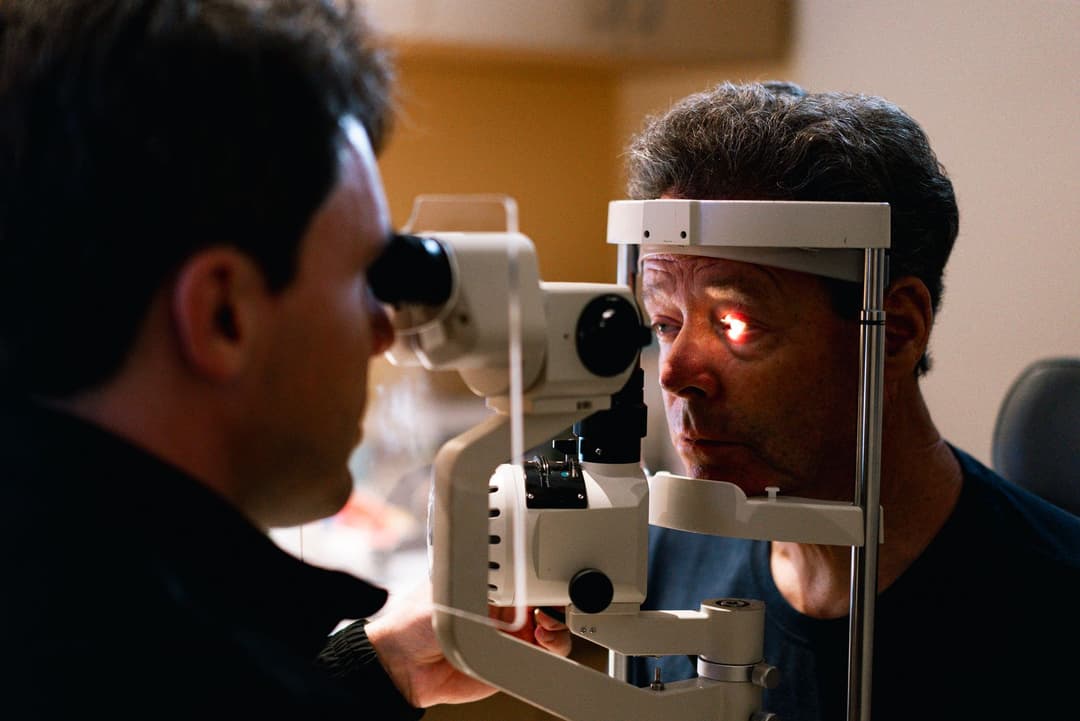
During a comprehensive pediatric eye exam, we assess your child's vision prescription, eye alignment, focusing ability, eye health, and tear film quality. We discuss your child's screen habits, outdoor time, and any symptoms. Based on this full picture, we provide education and guidance tailored to your child's age, risk factors, and lifestyle.
If myopia is present or at risk, we discuss myopia control options, which may include specialized contact lenses (orthokeratology or defocus-incorporated soft lenses), glasses with myopia control features, or low-dose atropine eye drops in certain cases. These tools, combined with outdoor time and healthy screen habits, offer meaningful protection against rapid myopia progression and future eye disease.
We also address practical concerns like digital eye strain, dry eye, or accommodative strain. Often, simple adjustments to screen positioning, lighting, break frequency, and blinking habits resolve discomfort quickly.
Our approach emphasizes education, prevention, and long-term healthy vision, not just prescription updates.
Children cannot escape screens nowadays, and it is a fact that they will remain. What you should strive for as a parent is not to get rid of screens or be perfect but to create balance, awareness, and good habits in your child.
The biggest thing you can do is limit your child's recreational screen time to a time that is considered reasonable for their age, put a greater emphasis on going outdoors, develop good sleep routines without the use of screens, support the taking of regular breaks and conscious blinking, set a good example by maintaining good habits yourself, and eye exams should be arranged annually.
If your child's vision becomes worse because of myopia or if they have eye strain, it is crucial that they receive early treatment and a management plan tailored to their specific needs in order to safeguard their vision for the future. And, keep in mind, the majority of eye discomfort caused by screen use is temporary and can be easily avoided by making simple changes.
Should you reside in San Diego or its surrounding areas and have concerns regarding the amount of time your child spends on screens, the risk of myopia, digital eye strain, or general eye health, we are here to help you schedule a comprehensive eye examination with the professionals at Clearview Eye and Laser Medical Center. We want to assure you that we will get to know your child's unique requirements very well before offering you scientifically proven advice that you will be able to rely on.