Droopy eyelids, also called ptosis, can be a lot more than just a beauty problem. For some people, sagging eyelids are simply the result of ageing; however, there are others who may get the condition from a combination of medical issues and muscle weakness. At the most extreme, drooping eyelids may even block your eyes and hamper your ability to perform daily tasks such as reading and driving. In case you see your eyelids significantly change, you may be wondering if getting a surgical operation for droopy eyelids is the right option for you.
This blog will provide information on treatment options for ptosis and how to know when it may be time for you to consider surgery.
Figuring out the cause of a droopy eyelid is very important to know the right treatment. There are quite a few things that can cause the eyelid to sag, for example:
If you are experiencing problems with your drooping eyelids and they are affecting your vision, or if you have lost your confidence due to your drooping eyelids, you may want to think about having surgery to correct this issue.
Yes, droopy eyelids can impact your vision, in particular, if they cover a good part of your pupil. A few common vision problems due to ptosis are:
Obstructed Peripheral Vision: Your eyelid can partially cover your field of view, which limits what you can see from the sides.
Eye Strain & Fatigue: If you are constantly raising your eyebrows to get better sight, you could be straining your forehead muscles and causing headaches.
Reduced Night Vision: It can be more difficult for you to see in dimly lit places due to ptosis, which increases the risk of accidents.
If you notice that you are tilting your head back or raising your eyelids with your hand in order to see properly, then maybe it's a good idea to go for a consultation about drooping eyelid surgery.
Treatments for droopy eyelids may be divided into non-surgical and surgical ones.
Non-surgical Treatments for Initial Cases
The most effective treatment for severe ptosis is droopy eyelid surgery, also known as blepharoplasty or ptosis repair surgery.
The surgery typically involves:
1. Anesthesia – The procedure is done under local anesthesia with sedation or general anesthesia.
2. Small Incisions – The surgeon makes a tiny incision in the natural crease of the eyelid.
3. Muscle Adjustment – The levator muscle is tightened to lift the eyelid to the desired position.
4. Removal of Excess Skin or Fat – In some cases, excess skin or fat is removed to enhance the results.
5. Closure & Recovery – The incisions are closed with fine sutures, which heal over time.
Patients often report feeling more awake, youthful, and confident after surgery. Check out drooping eyelid surgery before and after images to see real results from past procedures.
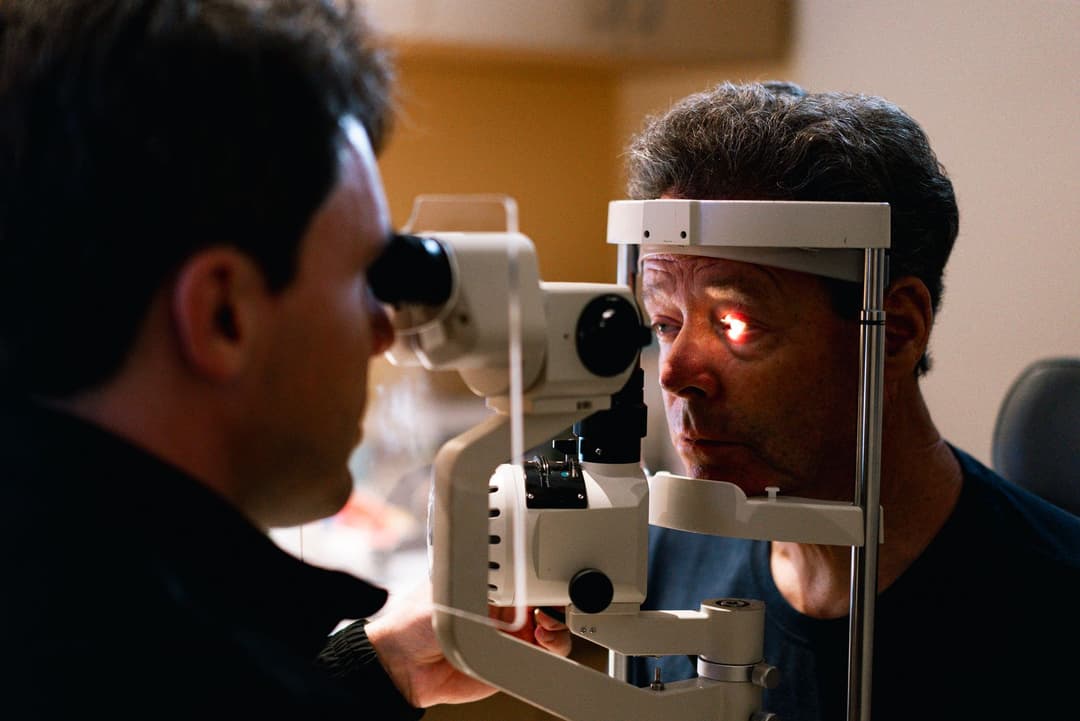
If you are experiencing any of the following symptoms, it is time to consult an eye specialist:
If you’ve been struggling with drooping eyelids, you don’t have to live with the discomfort or vision issues. Understanding how to fix droopy eyelids is the first step toward making an informed decision about treatment. Whether through non-surgical methods or eye surgery for drooping eyelids, there are ways to restore both function and appearance.