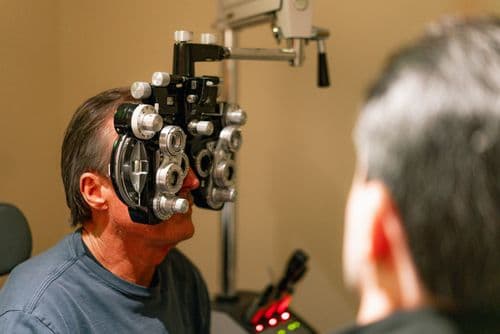
If you are experiencing problems with your vision, particularly because of cataracts, lens replacement surgery may be able to help. In this guide, we will provide you with all of the information you will need to know about lens replacement surgery, including the steps that are taken to perform the surgery as well as some of the risks involved.
Lens replacement surgery (in particular, refractive lens exchange and clear lens extraction) is the surgical procedure that takes out your eye's natural lens and replaces it with an artificial intraocular lens (IOL). Lens replacement surgery is frequently associated with cataract surgery, where the natural lens of the eye becomes cloudy, and the patient experiences blurred vision. Cataract Surgery is performed when the natural lens has become cloudy and opaque (a medical necessity).
Refractive Lens Exchange (RLE) is an elective vision correction procedure performed on a clear lens. It is proactively chosen by patients who want to fix severe refractive errors or presbyopia (aging eyes) to achieve visual freedom from glasses.
During lens replacement surgery, a patient has multiple different types of intraocular lenses (IOLs) to choose from, depending on their vision needs. Monofocal IOLs are designed with fixed distance vision, while multifocal IOLs provide a distance for both near and far. Toric IOLs are designed to correct astigmatism, while EDOF IOLs improve depth of focus. After the surgery, the patient's natural lens is removed and are replaced with an IOL. Lens replacement surgery has a quick recover time, although the patient may experience some blurriness while the eyes may take time to adapt to the new lens.
When researching vision correction, it is important to weigh the benefits against the potential risks.
Permanent Results: The artificial IOL never degrades, meaning your vision correction is designed to last a lifetime.
Zero Risk of Cataracts: Because your natural lens is removed, it is biologically impossible for you to ever develop cataracts in the future.
Fixes Presbyopia: Unlike standard LASIK, RLE with premium multifocal lenses can restore both your distance and up-close reading vision.
Fast Recovery: Most patients experience improved vision within 24 hours.
Cost: Because it is an elective procedure utilizing advanced premium lenses, RLE is not covered by insurance and has a higher out-of-pocket cost than LASIK.
Visual Disturbances: Depending on the type of lens you choose, some patients experience temporary glare or halos around lights at night while the brain adapts.
Surgical Risks: As with any surgery, there are rare risks of infection, inflammation, or increased intraocular pressure.
1. Instant Recovery - Most people are back to their routine in a day or two after lens removal surgery. It is important to avoid heavy lifting and follow your surgeon's post-operative instructions.
2. Visual Recovery - Your vision may take a few weeks to return to normal as your eyes adjust to the new lens and you will probably experience some visual fluctuations during this time, which is normal.
3. Follow-up - Follow-up visits to your eye surgeon are very important to check on the healing process and may address any concerns. These visits provide timely intervention if any post-operative complications arise.
Absolutely, replacing the eye lens can improve your vision dramatically, as well, particularly if you have cataracts or very high hyperopia. The eye lens surgery performs incredible vision corrections; the surgery works by replacing your natural lens (which may be cloudy (due to cataracts) or damaged) with an artificial lens which is clear and allows for improved resolution and focus. That said, expert believe it is warranted to note that even when we are attempting to improve our vision it is useful to be brought to an awareness of risk with lens replacement, including infection and glare, which readily can occur after the surgery. Even though it is rare to have problems due to lens replacement, having a conversation with the surgeon beforehand will help mitigate unwanted complications and result in a great lens replacement outcome.
Lens replacements are made to be long lasting and are intended to last indefinitely - indeed most patients achieve long-term benefits from the lens replacement surgery and do not need more surgery. However, lens replacement complications, such as posterior capsule opacification (clouding), may develop over time. Fortunately, lens replacement recovery after surgery is typically uncomplicated, and the majority of complications can be resolved quickly using simple non-invasive laser treatment.
The price of lens replacement surgery will depend on the type of intraocular lens you select, as well as the surgeon's expertise and the region. While this procedure will likely not be covered by insurance when done for refractive purposes, insurance typically does cover surgery when done for cataract surgery.
Read Also - The Benefits of Laser Cataract Surgery
Lens replacement surgery has changed the lives of many people for the better, increasing clarity and overall vision. It is vital that you know the process and possible risks of this type of surgery in order to make the best decision. If you are thinking about lens replacement for cataracts or other vision problems, talk with an experienced eye surgeon about your choices and the best path for your individual needs. Your sight is one of a kind – allow the skilled hands of professionals to lead the way to a brighter, clearer future.
Q1. What is the primary objective of lens replacement surgery?
Ans: Lens replacement surgery is mostly done to correct the eye problems that are caused by cataracts, presbyopia, and refractive problems. The surgery will help the patient see clearly and eliminate the need to wear glasses or contact lenses by removing the natural lens and instead replacing it with an artificial intraocular lens (IOL).
Q2. What makes me know whether I am the right candidate to undergo lens replacement surgery?
Ans: You could be a candidate of lens replacement surgery in case you have cataracts, large refractive errors, presbyopia, or any other eye-related conditions that affect vision. A detailed eye check by an experienced ophthalmologist will decide whether you are eligible or not and what kind of intraocular lens best suits you.
Q3. Is it possible to correct other vision problems, or is it only cataracts that can be corrected with lens replacement surgery?
Ans: Lens replacement surgery is usually linked with the treatment of cataracts, but it can be used to treat other eye problems, including nearsightedness, farsightedness, and presbyopia. The intraocular lens type is an important factor in the correction of a particular visual requirement.
Q4. What types of intraocular lenses (IOLs) are available, and how do I choose the right one for me?
Ans: There are various types of IOLs, including monofocal, multifocal, and toric lenses. Monofocal lenses provide clear vision at one distance, while multifocal lenses offer vision correction at multiple distances. Toric lenses are designed to correct astigmatism. Your surgeon will help you choose the most suitable IOL based on your individual requirements and lifestyle.
Q5. What are the potential risks associated with lens replacement surgery?
Ans: Like any surgical procedure, lens replacement surgery carries certain risks. These include infection, inflammation, increased intraocular pressure, and visual disturbances such as halos or glare. However, these risks are relatively low, and most patients experience a smooth recovery. Regular follow-up appointments with your surgeon are essential to monitor and address any potential issues.
Q6. How long does it take to recover from lens replacement surgery?
Ans: Immediate recovery from lens replacement surgery is quick, with many patients able to resume normal activities within a day or two. However, full visual recovery may take a few weeks as your eyes adapt to the new lenses. It's important to follow your surgeon's postoperative instructions and attend scheduled follow-up appointments for optimal recovery.
Q7. Does insurance cover the cost of lens replacement surgery?
Ans: In cases where lens replacement surgery is performed to treat cataracts, insurance often covers the procedure. However, if the surgery is undertaken for refractive purposes, such as reducing dependence on glasses, it may not be covered. It's advisable to check with your insurance provider to understand the extent of coverage for your specific situation.
Q8. Can I undergo lens replacement surgery for both eyes on the same day?
Ans: While it's technically possible to undergo lens replacement surgery for both eyes on the same day, many surgeons prefer to schedule surgeries for each eye separately. This approach allows for a smoother recovery process and reduces the potential risk of complications. Your surgeon will discuss the best approach based on your individual circumstances.
Q9. Are there any restrictions or precautions I should take after lens replacement surgery?
Ans: During the initial recovery period, it's important to avoid strenuous activities and follow your surgeon's recommendations. You may be prescribed eye drops to aid in healing and prevent infection. Protective eyewear, especially sunglasses, is often recommended to shield your eyes from bright lights and UV rays during the healing process.
Q10. How long do the results of lens replacement surgery last?
Ans: The results of lens replacement surgery are generally long-lasting. The artificial intraocular lens is a permanent replacement for the natural lens, and once healed, its effects are enduring. However, it's essential to attend regular eye check-ups to monitor the health of your eyes and address any changes that may occur over time.