

The development of cataracts is a leading cause of blurred vision. Some symptoms of cataracts are blurry vision, light sensitivity, and blindness. Cataracts usually develop with age, but there are several risk factors that can contribute to their development, including exposure to UV light, an unhealthy diet, smoking, and chronic health conditions such as diabetes. The good news is that there are many ways to prevent the development of cataracts through early intervention. By changing some of your daily lifestyle habits, you can take steps to protect your eyesight and reduce the risk of developing cataracts.
The following article will examine the different ways to prevent the development of cataracts through diet, eye protection, and healthy lifestyle choices.
A cataract results in impaired vision due to cloudiness of the eye's natural lens. This happens when the lens (which has proteins) gets cloudy as those protein fibers break down and clump together obstructing the flow of light.
1. Aging – This is the most common cause, due to the decrease in the flexibility and transparency of the lens of the eye with age.
2. UV Exposure – Long exposure to ultraviolet (UV) rays can cause the lens to deteriorate.
3. Smoking & Alcohol Consumption – These habits cause oxidative stress and cause cataract formation.
4. Diabetes & High Blood Pressure – High blood sugar can cause the lens of the eye to become damaged.
5. Genetics – If there is a history of cataracts in your family, you may be more likely to develop them.
6. Poor Nutrition – Lack of antioxidants and essential vitamins in the diet can result in early development of cataract.
With the causes understood, we need to look at what steps can be taken to prevent cataracts in the eye.
The following are some tips to help you prevent cataracts and maintain good vision.
Wearing sunglasses to prevent cataract is among the simplest ways to protect your eyes. The UV rays of the sun can harm the proteins in the lens of the eye, which can lead to cataracts.
A balanced diet is important in preventing eye cataracts. The ideal cataract prevention diet should consist of foods rich in antioxidants, which help to reduce oxidative stress and promote eye health.
A diet that is high in these nutrients can help to strengthen the eye's lens and lower the risk of cataract formation.
To prevent cataracts and to be healthy, it is important to adopt healthy lifestyle.
These are some of the small lifestyle changes that can make a big difference in eye health and cataract prevention.
For individuals with diabetes or hypertension, it is important to control these conditions to help slow the progression of cataracts. High blood sugar can harm the lens of the eye, causing a cataract to develop.
Too much screen time can cause eye strain and lead to oxidative stress that can speed up the development of cataracts.
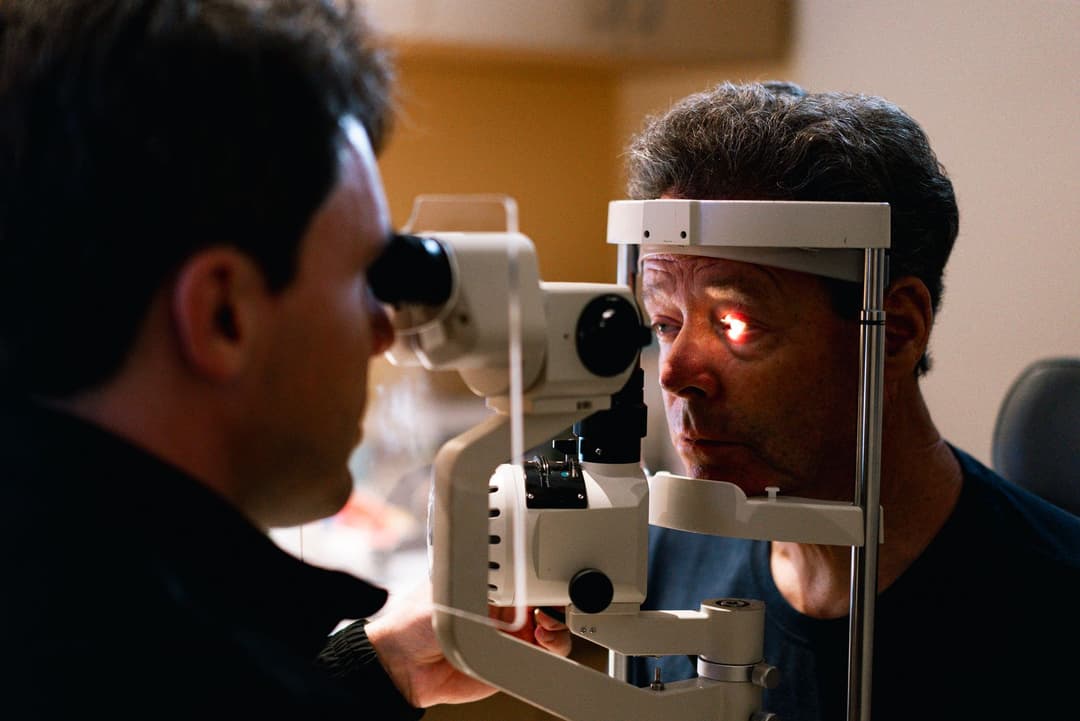
Regular eye exams are important in preventing and detecting cataracts. Your eye doctor will be able to detect early signs of cataracts and suggest preventive measures that are right for you.
The earlier a cataract is detected, the sooner treatment can be provided, and this may help to slow the progression of the cataract and maintain your vision.
Some individuals may still get cataracts even with all the precautions. Some people may develop cataracts regardless of all precautions due to age or genetic factors. In these instances, the best treatment is cataract surgery.
The procedure of cataract surgery is the removal of the cloudy lens and the fitting of an artificial intraocular lens (IOL). This helps to clear up vision and improve overall eye health.
Cataracts are one of the most common causes of vision loss, but there are steps that can be taken to prevent or delay their onset. With these cataract prevention tips, you can keep your eyes healthy and see clearly for years to come.
When cataracts do occur, cataract surgery is a safe and effective way to regain your vision.