Having clear and sharp eyesight is not merely a luxury but a necessity needed for almost all facets of life. Be it working, driving, or even just having fun at home, sight is imperative for a great deal of activities. Luckily, due to the evolution of the medical field, vision corrective surgery is a highly dependable option for people aiming to better their eyesight. In fact, it is one of the most popular surgical procedures in the United States. In this article, we will look at the different kinds of vision correction surgery; their advantages and why this medical procedure is becoming so popular.
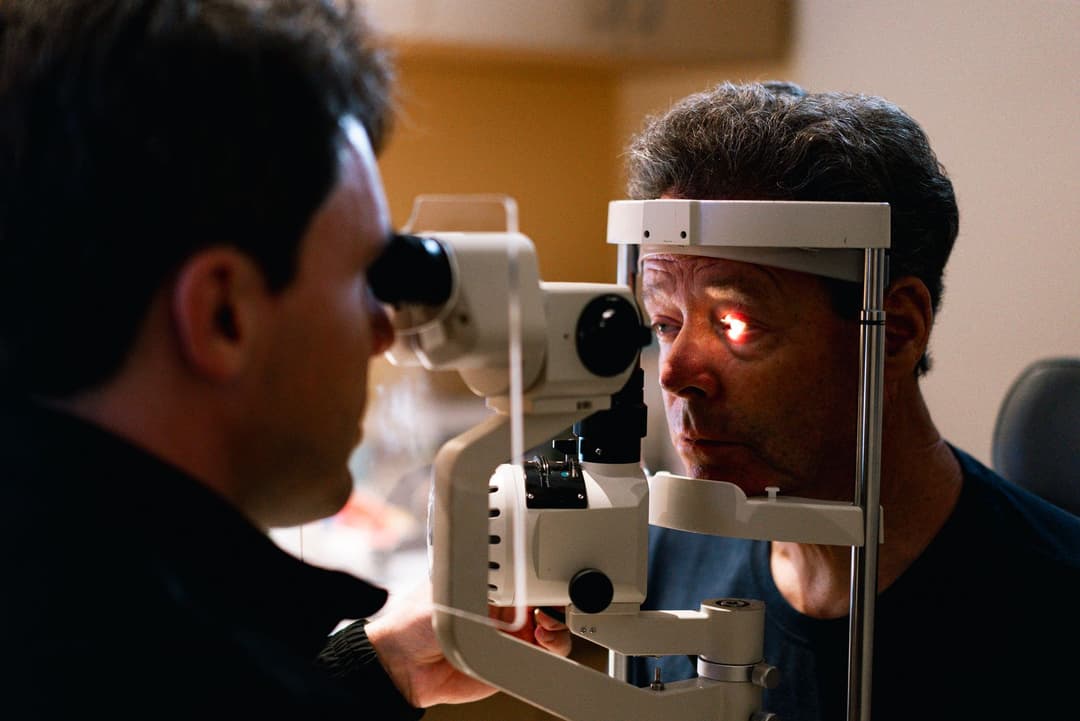
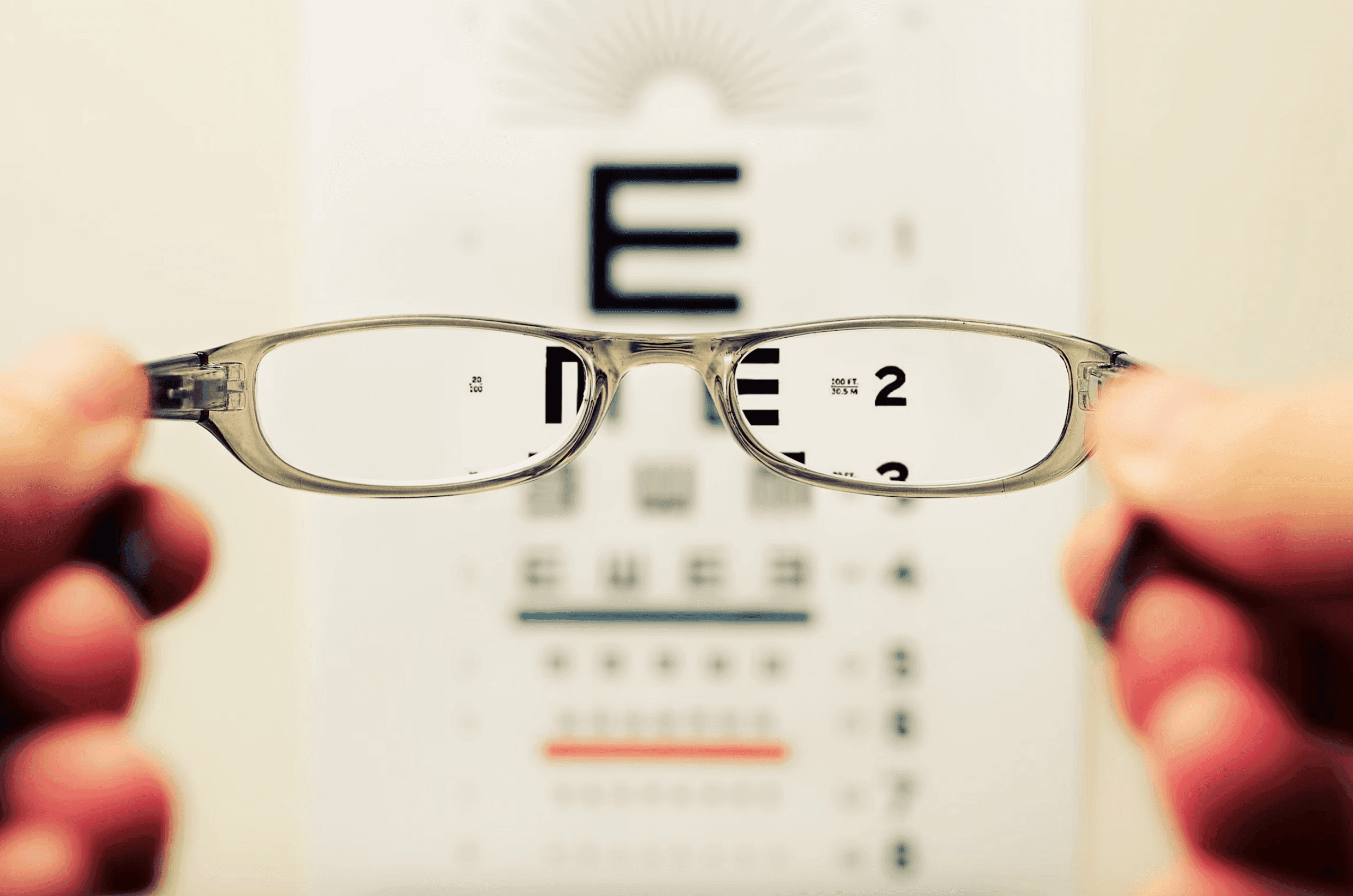
Vision correction surgeries or refractive surgeries are a group of surgical treatments that enhance eyesight by changing the shape of the cornea or placing artificial lenses in the eye. These procedures are designed to resolve the most frequent refractive errors such as myopia (nearsightedness), hyperopia (farsightedness), and astigmatism, thereby allowing the individual to lessen their dependence on or completely do away with using glasses or contact lenses. Each method is designed according to the patient's unique vision requirements and offers a lasting way to improve visual sharpness and eye health in general.
LASIK (Laser-Assisted In Situ Keratomileusis): LASIK is one of the most prevalent and most widely performed vision correction surgeries, which entails the use of a laser to correct the cornea so that light can focus on the retina appropriately.
PRK (Photorefractive Keratectomy): PRK is also a procedure that involves the use of a laser to reshape the cornea, but does not involve the formation of a corneal flap like LASIK. This is an appropriate procedure that can be done on people whose corneas are thin or irregular.
SMILE (Small Incision Lenticule Extraction): A more recent procedure that entails the formation of a small opening to excise a lenticule in the cornea thereby correcting vision. SMILE has the benefit of maintaining a larger amount of corneal tissue than LASIK.
Implantable Lenses: In people with extreme refractive errors or thin corneas which cannot be corrected with laser surgery, implantable lenses, including phakic intraocular lenses (IOLs) or refractive lens exchange (RLE) can be implanted into the eye to correct vision.
The choice of vision correction surgery varies according to the refractive errors, eye health, and lifestyle. The most popular ones are LASIK, PRK, SMILE, ICL, and RLE, which address various requirements. These processes enhance vision by correcting the cornea or substituting the lens, which are effective in enhancing vision. To achieve the best results and long-term eye health, it is important to discuss the most effective treatment option with an eye specialist to ensure that you achieve the best results and that your eye condition is improved.
Increased Visual Clarity: Vision corrective surgery can greatly increase the visual acuity of the individual and he/she can see clearly without the use of glasses and contact lenses.
Comfort and Liberation: No more of the inconvenience of having to wear glasses or place contact lenses. You can enjoy the freedom of having a clear vision without relying on external aids with the help of vision correction surgery.
Fast Recovery: Vision correction surgeries have fast recovery times, and most patients report having a better vision in days to weeks after surgery.
Long-term Results: Vision correction surgery is permanent in most cases and the results are long lasting and offer permanent improvement in vision quality.
Lifestyle Enhancement: Better vision can make life more enjoyable in many ways, not just by being able to engage in sports and outdoor activities but also by being able to engage in hobbies and career opportunities without being restricted by vision.
In the case of vision correction surgery, it is important to discuss it with a competent ophthalmologist and find out what kind of surgery is the most appropriate in your case and the health of your eyes. The recommendation of the best surgery will depend on factors like the severity of the refractive error, the corneal thickness and the general health of the eye.
Comfort and Liberty: Vision corrective surgery helps people get rid of glasses or contact lenses and enjoy the freedom to see clearly without the inconvenience of wearing a pair of corrective glasses or contact lenses all the time.
Improved Visual Clarity: In individuals with refractive errors like myopia, hyperopia, or astigmatism, vision correction surgery can contribute greatly to visual acuity and provide clearer and sharper vision.
Better Quality of Life: It is important to have a clear vision in many areas of life, including driving and working as well as engaging in recreational activities. Vision corrective surgery has the potential of improving the general quality of life by removing the visual impairments and allowing the individuals to participate in their activities of choice to the fullest.
Long-term Results: Vision correction surgery has long-term effects in most instances, which provide long-term benefits in the quality of vision. This implies that people will be able to have a good vision in the coming years without constantly having to undergo treatments or make adjustments.
Quick Recovery: The vision correction surgery is characterized by quick recovery time, and most patients report that their vision is improved in a few days to weeks following the surgery. This enables people to be able to resume normal activities relatively soon after surgery.
Lifestyle Enhancement: A clear vision can help improve many areas of life such as career, hobbies, sports and socialization. Corrective surgery of the eyes helps people to follow their interests and activities without the limitations of the visual deficiencies.
Cost Savings: Although the initial expense of vision correction surgery might appear high, it can save on cost in the long term as compared to the current cost of using glasses or contact lenses, such as buying the glasses, changing them, and maintaining them.
It is normal to have mild discomfort, dryness, and blurred vision after the vision correction surgery, but these symptoms are usually short-term. The time taken to recuperate depends on the kind of surgery performed, and most patients can feel better in a few days. During the healing process, it is best not to rub your eyes, engage in strenuous activity and be exposed to bright lights. Following instructions on post-operative care will assist in getting the best outcomes on vision correction. The entire recovery process may require a few weeks, depending on the type of procedure that has been done, although the majority of patients are able to see clearly in a few weeks.
The Vision corrective surgical operation is a drastic measure for people who desire to have perfect and clear vision again. Thanks to the progress made in the technology as well as different types of the procedures giving good results, it has become very easy to get the improved vision. If you are sick of wearing glasses or desire to be free of contact lenses, vision correction surgery can be an excellent option and can change your life to a big extent forever. Consult a competent eye doctor and start a new life with visual freedom and clear eyesight. You will find clear and sharp eyesight after the operation although at the moment it might seem a bit scary.
Ans: Indeed, new surgical methods for vision correction keep being developed. One of the latest ones is SMILE surgery which is a minimally invasive option for myopic patients when compared with LASIK. Besides these techniques, implantable lenses are now also being used to correct even the most severe refractive errors.
Ans: On choosing the best vision correction surgery, it depends on your particular refractive errors and the state of your eyes. If you want most people usually think of LASIK as it offers a quite fast recovery. On the other hand, PRK is better for those who have thin corneas, SMILE is the less invasive option, and ICL is highly recommended for patients with very high prescriptions. Of course, there are pros and cons to each corrective eye surgery, and it's really about matching the right method with your specific vision issues.
Ans: There are many kinds of surgical procedures that can not only improve but also restore eyesight, through cornea reshaping or via lens substitution. Eye laser surgeries such as LASIK, PRK, and SMILE as well as lens-based procedures like RLE and ICL are the main ones used in refractive error correction and vision restoration. Deciding on the best vision correction surgery comes down to your individual refractive errors and the condition of your eyes.
Ans: Recovery from vision correction surgery varies by procedure. LASIK patients often see clearly within a day, while PRK may take a few weeks. Healing for eye surgery types like ICL or RLE can take longer. Full recovery from corrective eye surgery typically occurs within a few months.
Ans: Most patients don’t need glasses after vision correction surgery, but results vary. Some may need them for reading or night driving, especially with age. The outcome depends on refractive errors, eye surgery types, and healing.